
Advisors, collaborators & Core Team
-
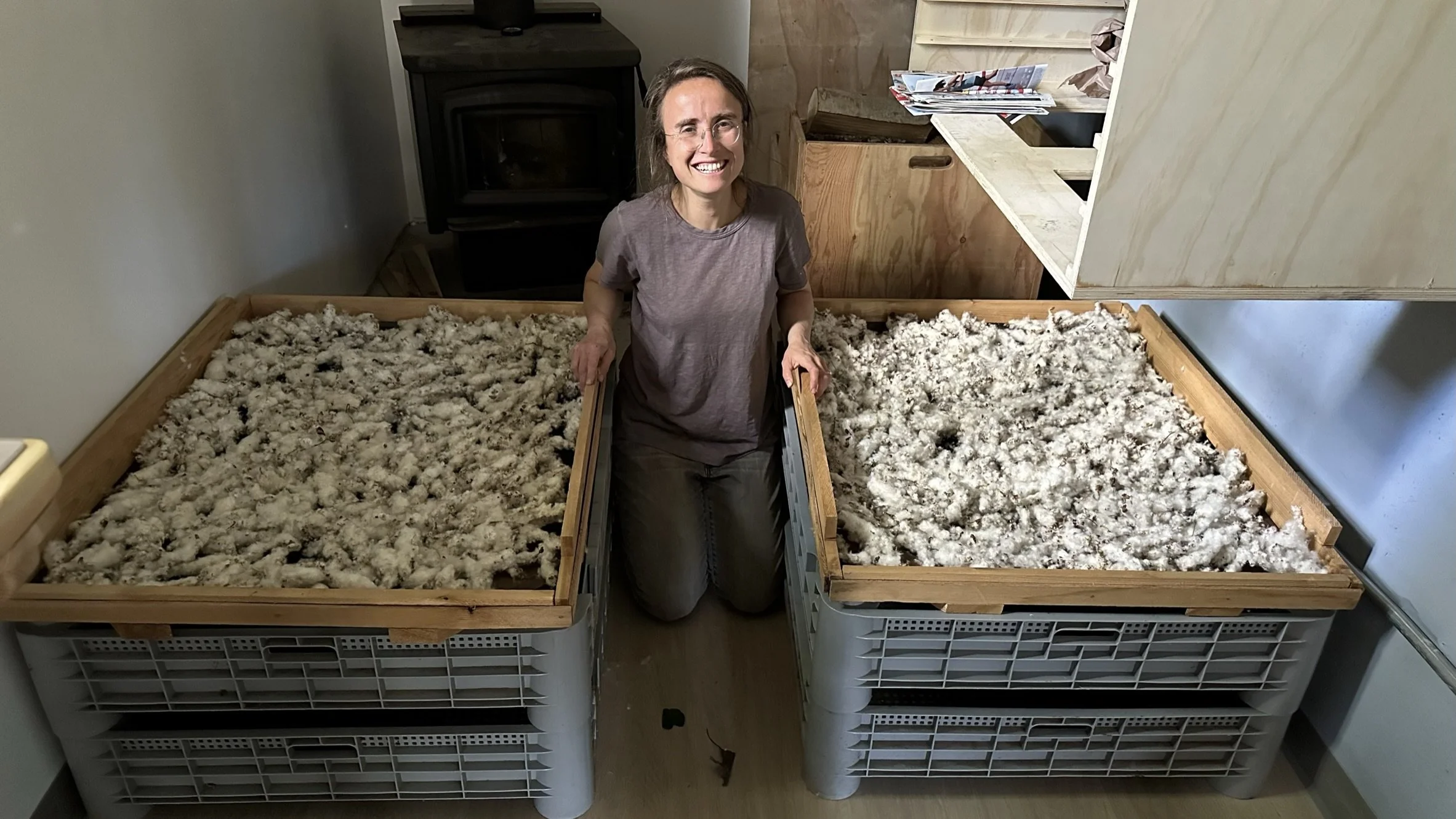
Natasha Kuperman
Natasha Kuperman’s work seed collecting in temperate and boreal forests and collaborating on their restoration is intrinsically tied to living on unceded Gitxsan territory made biodiverse and climate resilient through the millennia old inhabitants of Temlaham / Dimlahamid on the Skeena River.
While doing a degree in architecture at Cornell (’07), she studied plant science under Nina L. Bassuk. This foundational study on disturbed soils and transplanting technology influences Kuperman’s daily work. Her career as a developer and licensed architect on projects in Canada's north was driven by broad-scale landscape ecology and small-scale soil science, working on everything from stormwater management, drinking water infrastructure, and energy independence, to housing and employment opportunities in remote communities. Taking these practices forward, her Masters from Schulich at York University (’17) led her to work as a public infrastructure developer on large linear and social infrastructure.
Designing and developing Seed Enhancement Technology for scalable ecological restoration on wildfire and erosion is Kuperman’s core focus, in collaboration with partners including the Sean Thomas Lab (at University of Toronto), Climate Ventures (at Centre for Social Innovation), and multiple Indigenous communities. She is a Certified Seed Collector through the Forest Gene Conservation Association and a member of the Society for Ecological Restoration. Kuperman uses her unique combination of large-scale systems thinking, passion for genetic diversity, and expertise in rural and remote community development to structure and lead Seed the North.
-
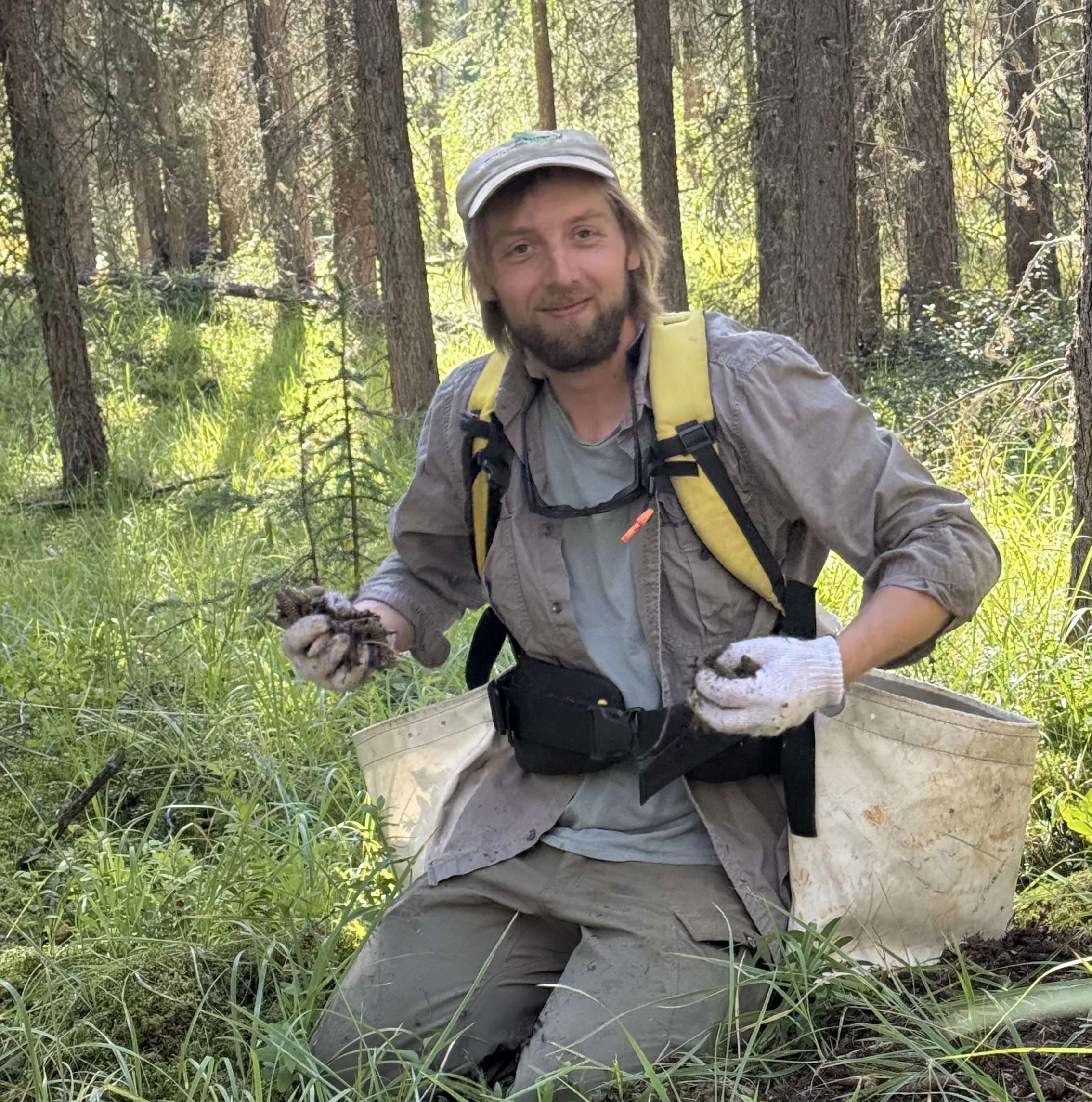
Ben Alexandrowicz
As Seed the North’s Executive Director, Ben Alexandrowicz brings his passion and expertise in seed processing and seed enhancement to bear on all aspects of the business. Ben sees Seed the North as a company on the cutting edge of seed-based restoration while integrating centuries of knowledge and experience in practical ecological restoration and traditional ecological knowledge. He is inspired on a daily basis by the communities Seed the North works with, and makes a point to listen well before making decisions.
His professional experience started in small-scale organic agriculture and progressed through several sectors in practical natural sciences until he found his calling working with the seeds of native plants. This breadth led him to embrace a systems based approach to ecological restoration, taking equal care to ensure the utmost quality whether he is working with an individual seedling or five thousand hectoliters of cones.
He holds a Bachelor of Science from The Evergreen State College and a Graduate Certificate in Seed Science from Iowa State University.
Ben Alexandrowicz is Allied-Science Forester in Training.
You will likely find Ben tinkering with seed processing equipment to refine its’ capabilities to our needs, out in the field looking at the tops of trees, completing his Masters of Science, fly fishing, and backcountry nordic skiing.
-
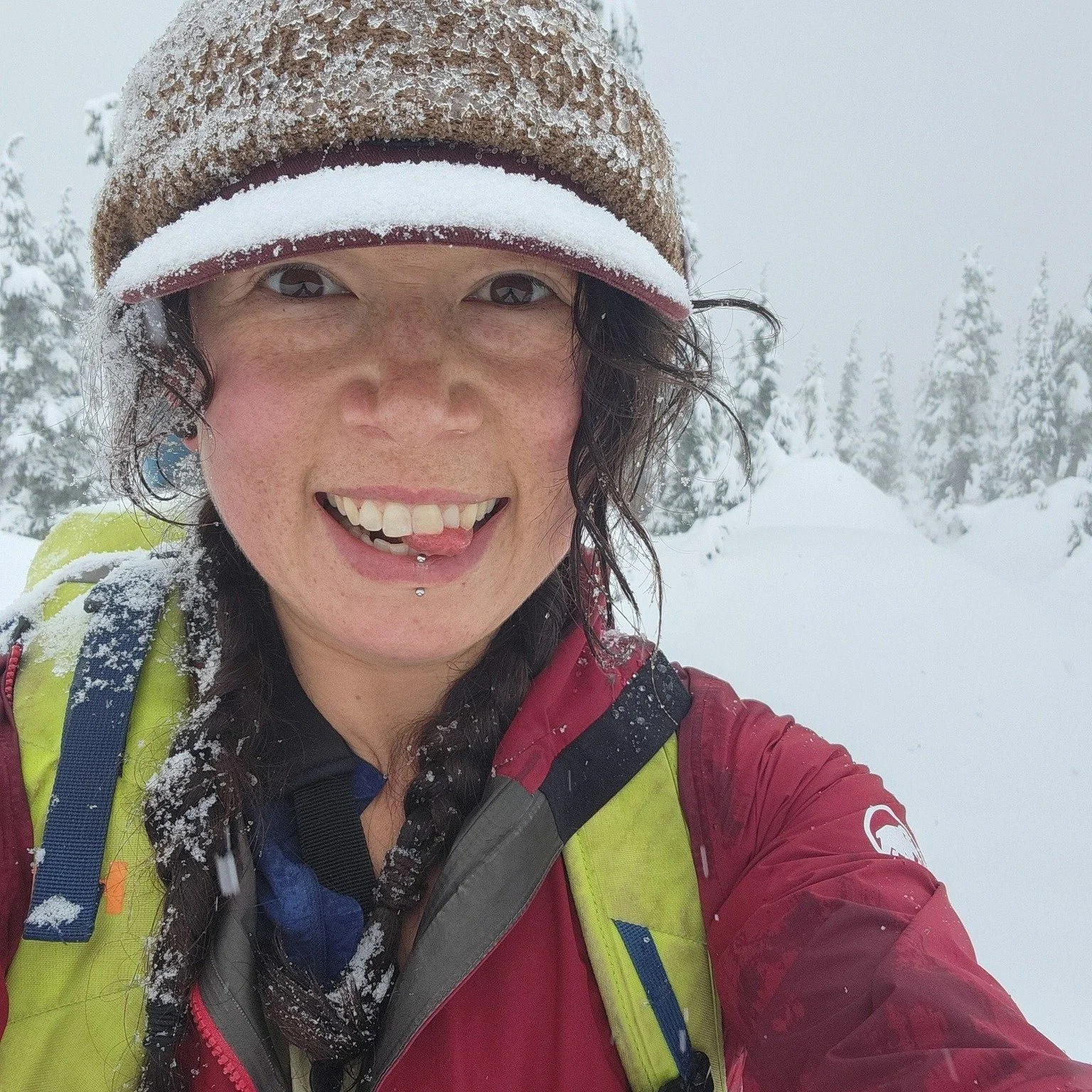
Elaine Kennedy
As Operations Technician at Seed the North, Elaine brings over 10 years in the environmental consulting industry throughout western Canada, with the last four years focused on native species based ecological restoration for mine sites in British Columbia. As a restoration ecologist they were responsible for project planning, plant ID, soil description, ecosystem classification, data analysis, and writing and reviewing technical reports. Elaine has regularly worked in remote environments and rough terrain, and is a point person for following strict safety rules and making situation based decisions. As a biologist, they managed a multi-disciplinary terrestrial monitoring program on Baffin Island, and conducted wildlife surveys, vegetation surveys, and Terrestrial Ecosystem Mapping throughout the Yukon and northern BC.
Elaine is also a talented carpenter bringing their experience working on tiny homes and cabins to our current campus development. Their interest in timber framing and architectural design, and expertise in project management and logistics will shine in their role as operations technician.
-
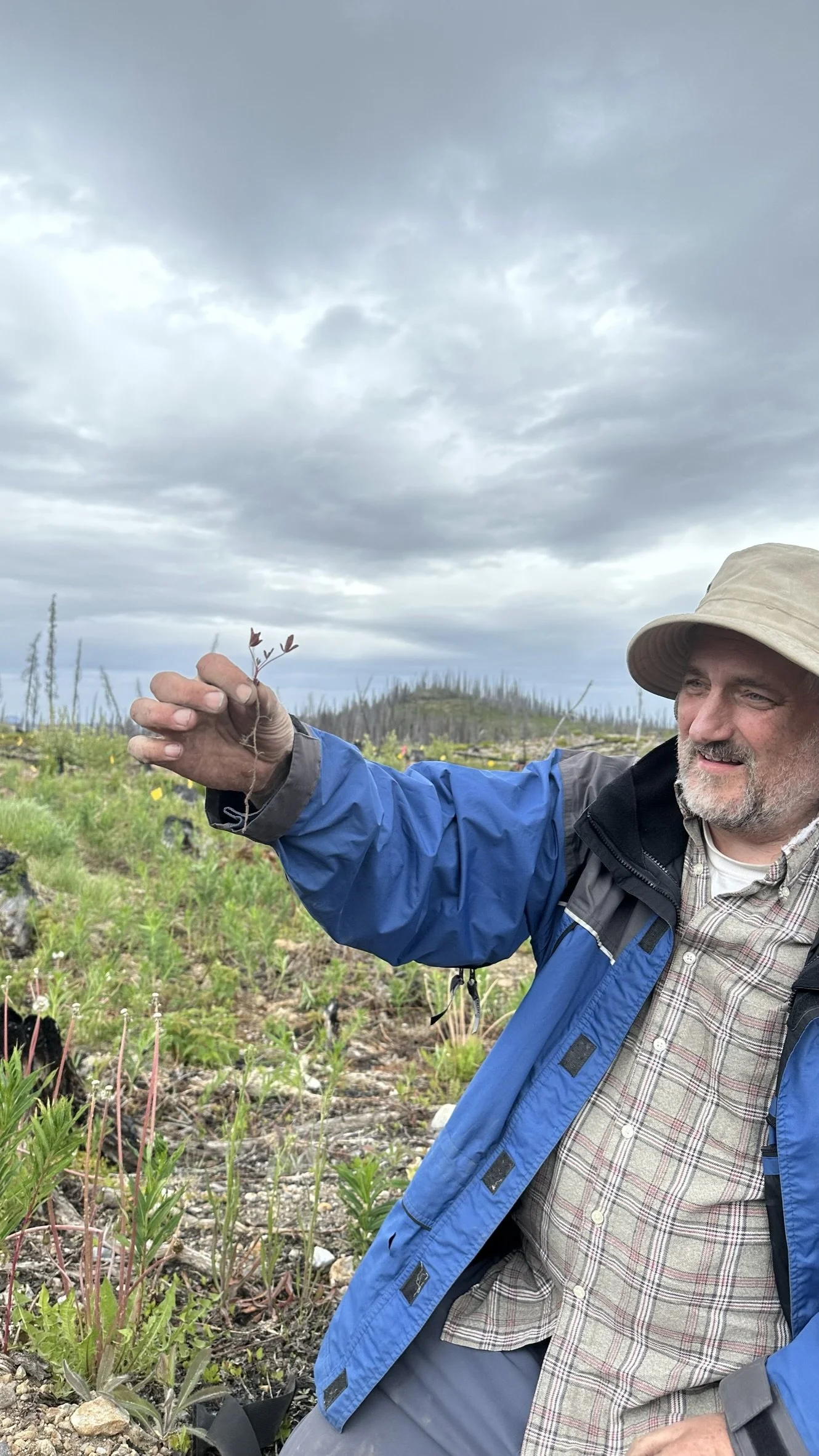
Sean Thomas
Sean Thomas’s research focuses are applied forest ecology and silviculture, comparative ecology and ecophysiology of forest trees, forest canopy biology, ecological aspects of global environmental change, and old-world tropical forests. He has been at the University of Toronto since 1999, and is currently appointed as an NSERC Industrial Research Chair in Biochar and Ecosystem Restoration.
Dr. Thomas has been preoccupied with the comparative biology of trees and forest responses to the intentional and accidental impacts of humans for some 25 years. He studies how trees and forests respond to human impacts: intentional impacts through forest management, and unintentional impacts via local, regional, and global changes in the environment. In this effort, he tries to link an understanding of functional ecology and ecophysiology of trees (“how trees work”) to patterns of growth, mortality, recruitment, reproduction, at the population scale, to patterns community composition, and to ecosystem processes, in particular carbon flux (“how forests work”). Sean Thomas’s lab is currently involved in projects in temperate and boreal forests in Canada, and tropical forests at a variety of sites.
Since fall 2019, Thomas has collaborated with Seed the North to develop Seed Enhancement Technology for wildfire in the temperate and boreal forest.
-
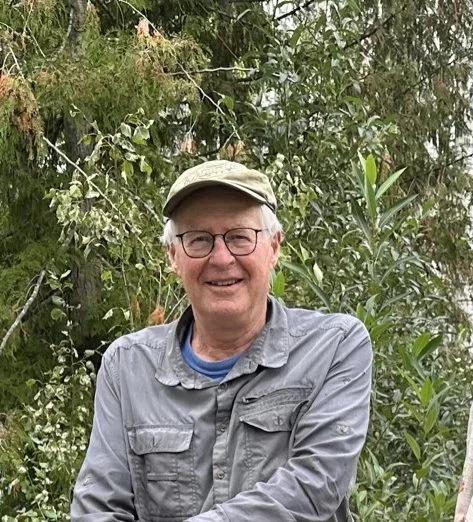
Jim Pojar
Dr. Jim Pojar is a botanist, ecologist and forester who has lived and worked in British Columbia for 50 years. He received a Ph.D. in Botany from the University of British Columbia in 1974. Since then he has worked with the BC Ecological Reserves Programme and BC Forest Service. He was also Executive Director, Yukon Chapter of Canadian Parks & Wilderness Society. His major contributions have been in ecological land classification, knowledge-based resource planning and management, sustainable forestry, conservation and protected areas, and education (teaching, writing books, taking science to the people. He is a professional biologist and certified senior ecologist (ESA), and was until recently a registered professional forester. He was a founding director of the Bulkley Valley Centre for Research and Management and of the Northwest Institute for Bioregional Studies, and a founding trustee of Skeena Wild Conservation Trust.
-
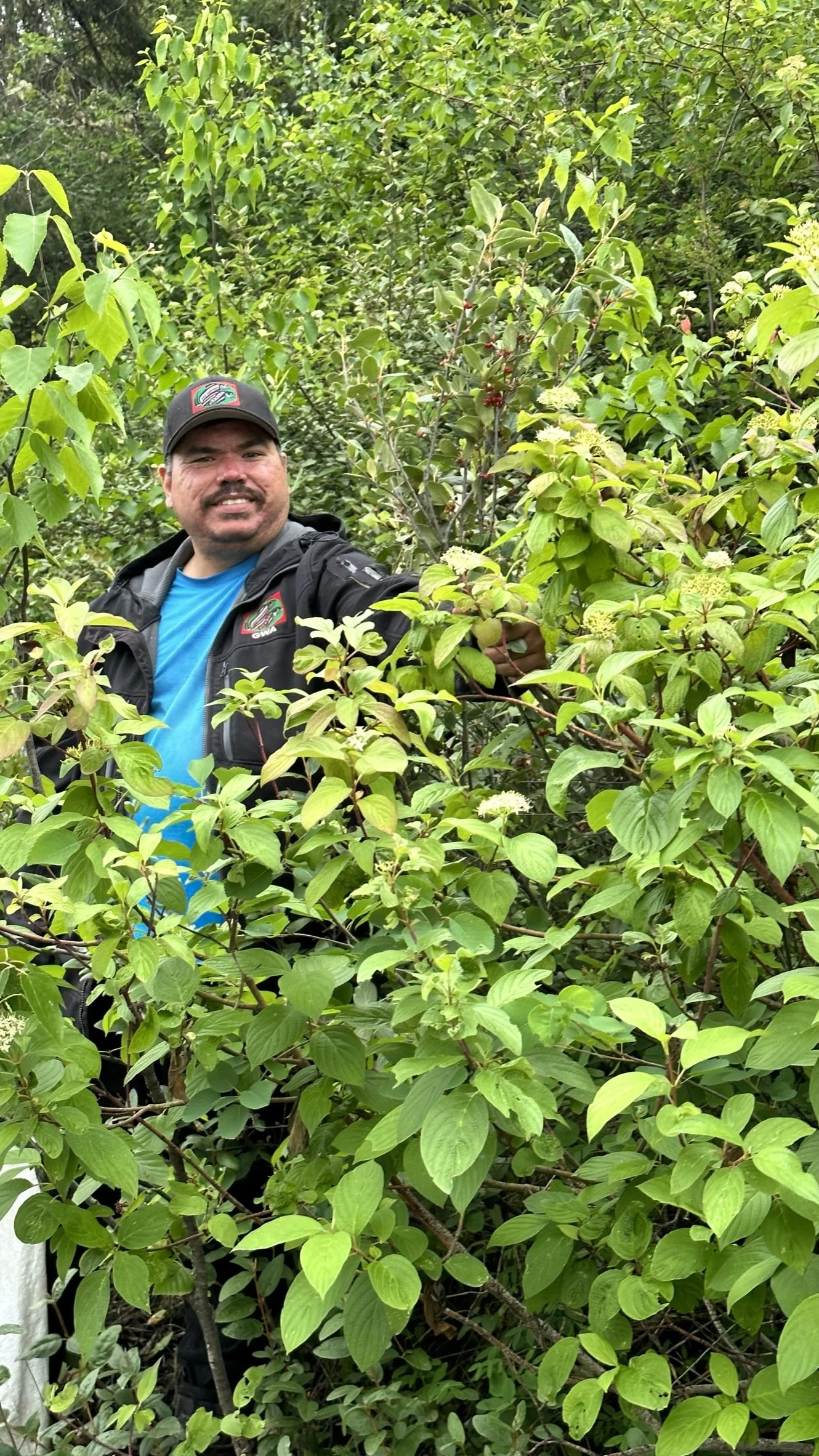
Brad Harris
Brad Harris was born and raised in Kispiox, BC. He is a member of the Gitksan First Nation, Lax Gibuu (wolf clan). He holds a degree in Environmental Sciences from the University of Northern British Columbia, where he studied environmental pollution, environmental law, soil sciences, and environmental restoration.
Brad is thankful for the opportunity to apply these skills with his employer, Gitksan Watershed Authorities (GWA), and with GWA project collaborator Seed the North. As the primary objective in projects Brad is involved with is caring for and rebuilding vulnerable salmon habitats, he gets to reprise an important aspect of his Gitksan heritage: steward of the land.
What Brad values most about his role is that he gets to collaborate with future generations of land stewards in studying, planning, and executing restoration priorities for salmon habitats. He believes that working with younger generations of land stewards on salmon habitat restoration projects is crucial and powerful, and reconnects us to the spirit of the land.
-
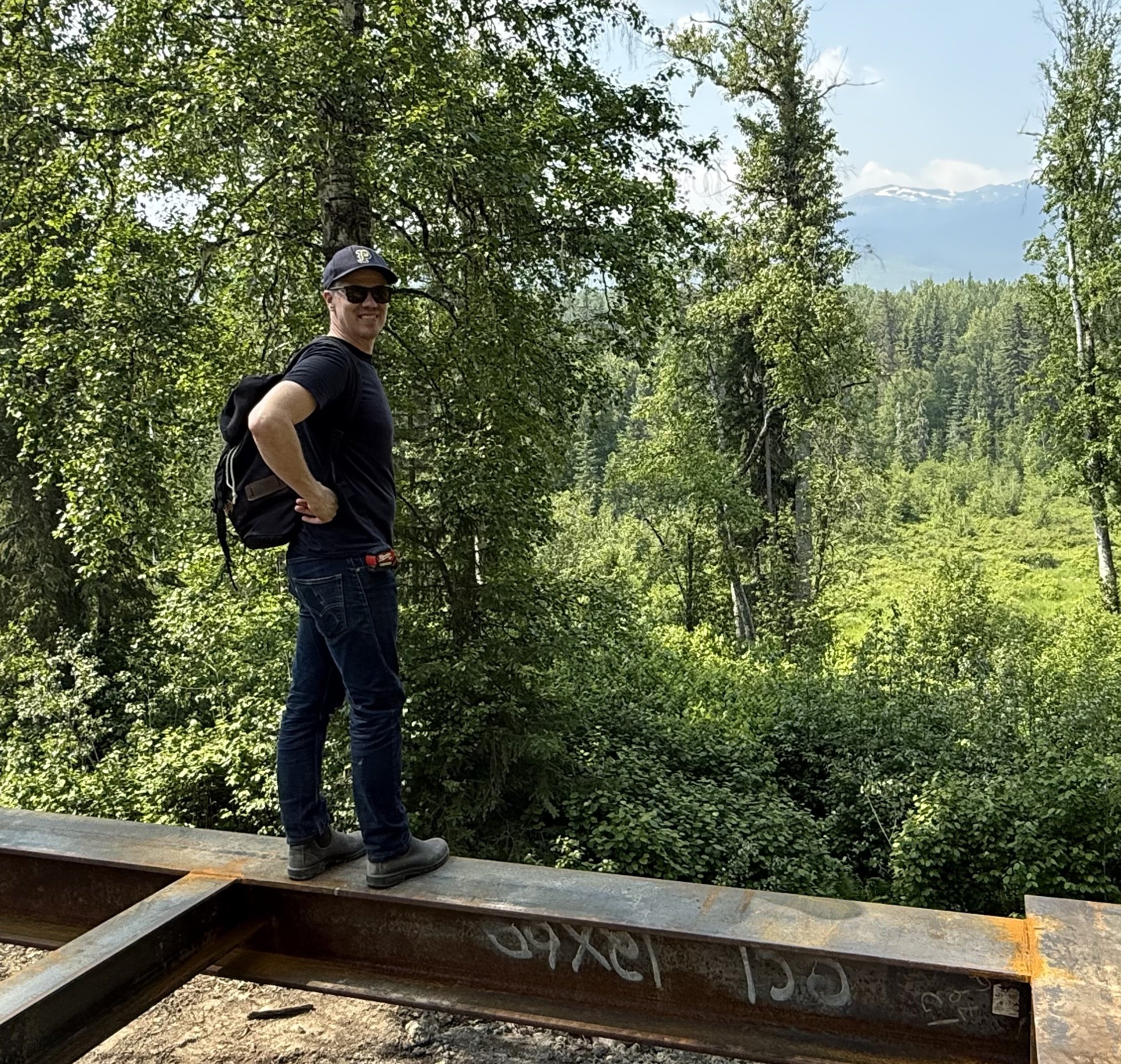
Colin Chudyk
Colin Chudyk is an architectural designer and project manager with broad experience in the northern context including BC, Yukon, NWT, and Nunavut. Colin collaborates with local builders and craftspeople to lead the design-build of wooden structures that define Seed the North’s campus, touching lightly upon the land and built with locally harvested timber.
Originally from Smithers, BC, he first started working on site in Hazelton in 2020. He now resides in Montréal/Tiohtià:ke where he enjoys exploring riparian ecosystems by sail and paddle.
Colin has a multidisciplinary art practice in ceramics and textiles. He was recently an Artist in Residence at the European Ceramics Workcentre in the Netherlands, and is currently collaborating with the Textile Museum in Tilburg to develop large scale knitted forms. He holds a Bachelor of Environmental Design from Dalhousie University and a Master of Architecture from Yale University.
-
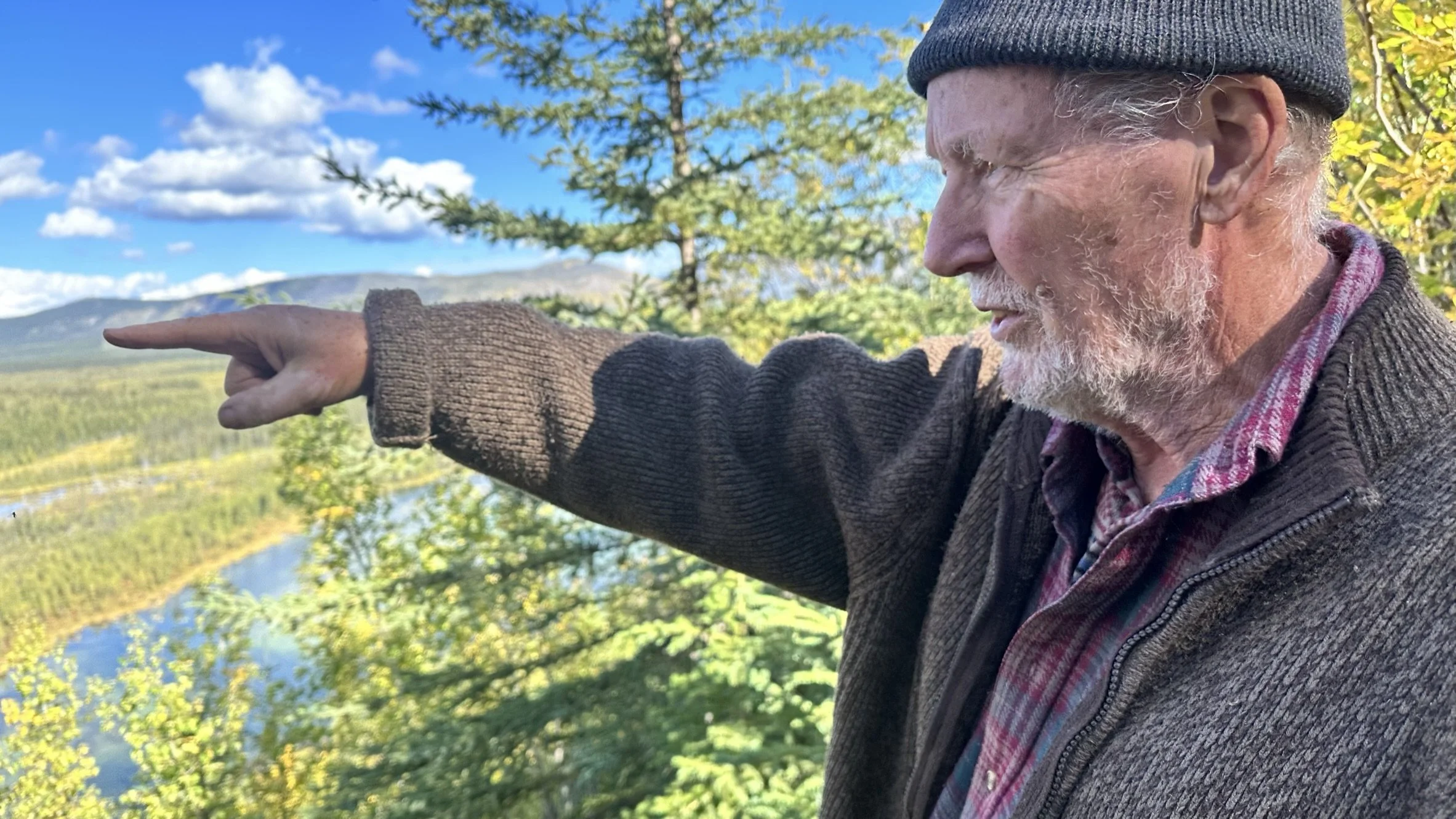
Robin Clark
Robin Clark is a registered professional forester and has worked in the BC forest industry for 50 years. He has been president of his own natural resources company for the past 30 years. He provides expertise in natural resource management, forest and environmental assessments, wildfire resiliency and reforestation of wildfire impacted landscapes.
Robin has a broad range of clients, but his primary focus is collaboration with Indigenous communities to develop plans and strategies for sustainable economic development. Focus has been on understanding how to combine the Indigenous lens with mainstream economic development. A good example is the lead role Robin takes with Daylu Dena Council 2 Billion Trees Program, approved for planting 540,000 trees by 2031.
Another project Robin has led is the GPS and documentation of 450 km of Kaska ancestral trails. Those efforts will continue in 2025 to complete the 75 km section along the Dease River from Blue River to McDame.
-
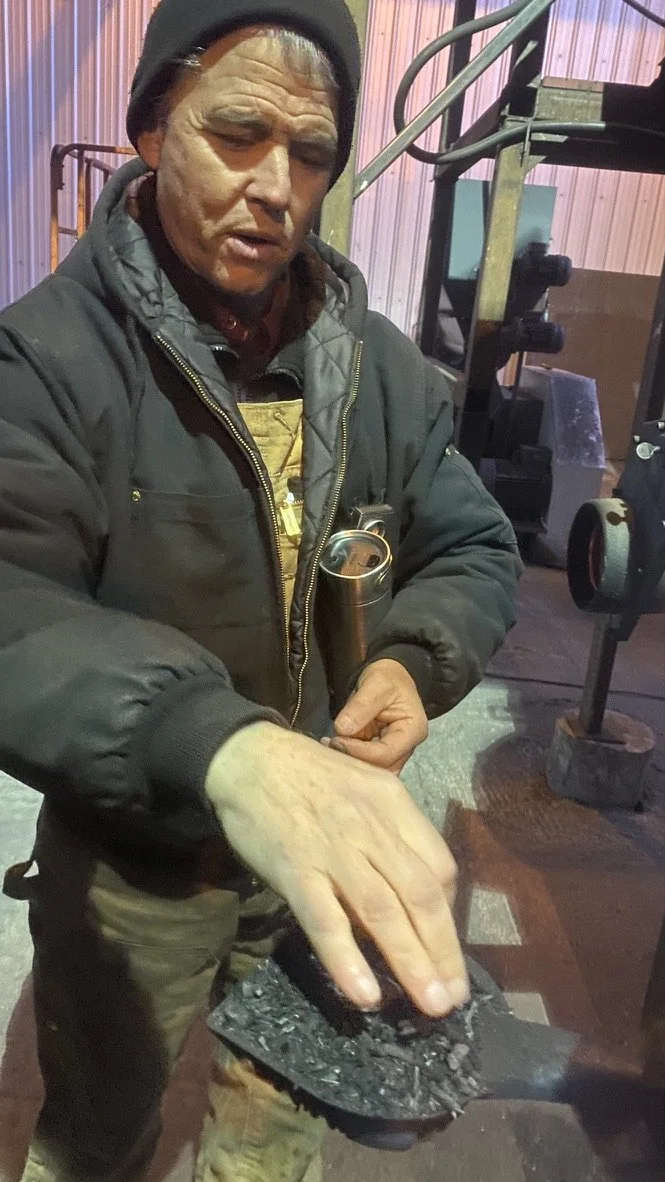
Philip Marsh
Philip Marsh is Chief Technology Officer and CEO of BC Biocarbon based in McBride, BC, where he has been developing the pyrolysis technology and feedstock management system for 10 years. His focus is replacing fossil chemicals with bio-based products, and supporting strategies that mitigate climate change at scale across many sectors including agriculture, forestry and construction. He regularly supports projects at University of Northern British Columbia, University of British Columbia, College of New Caledonia and other institutions, especially those affiliated with NRC and NSERC. Marsh was previously a pilot and survival instructor with the Canadian Armed Forces, working in the arctic.
-
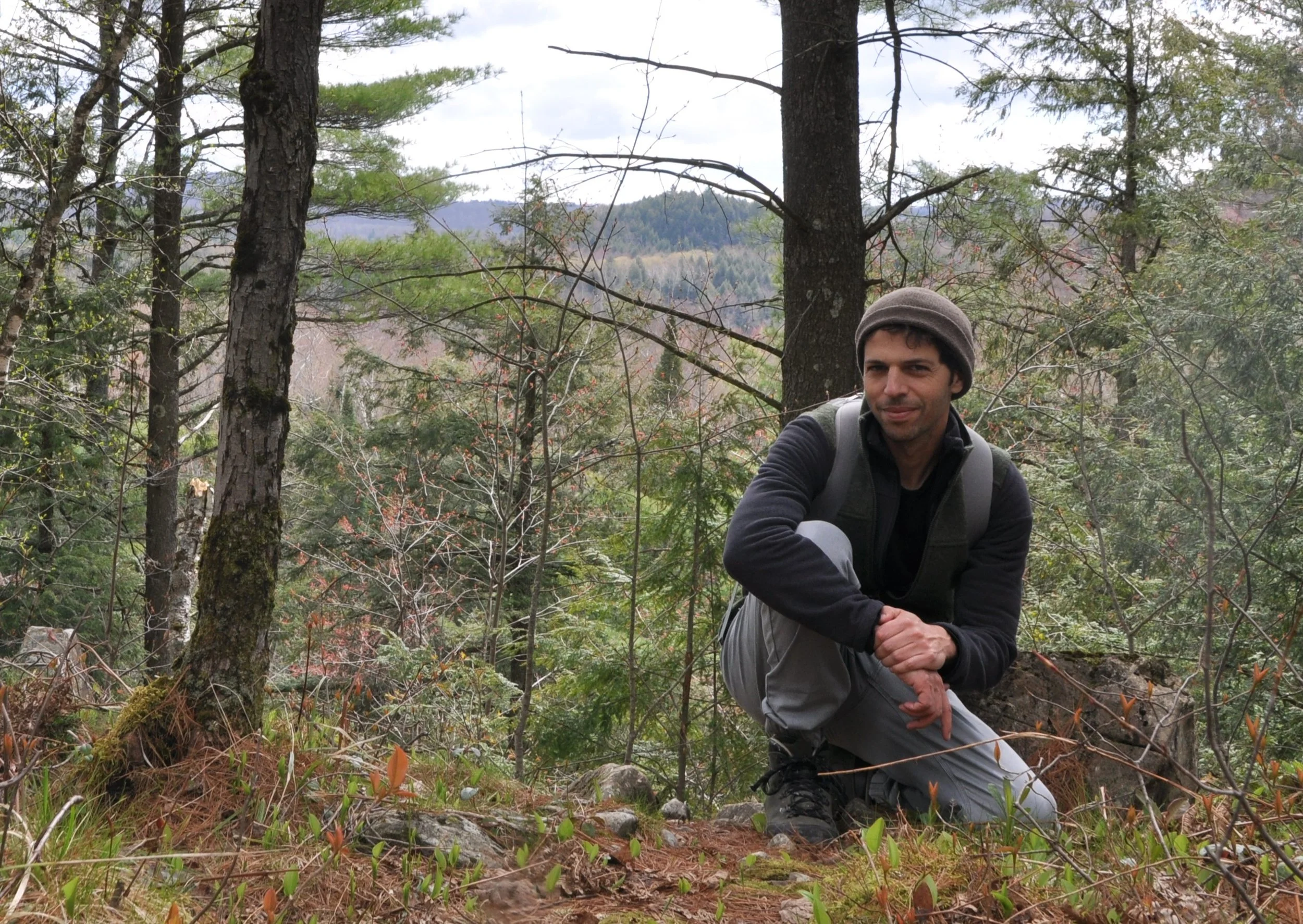
Elad Meirom
Elad brings a career-long "joy for the buildable" to his role as Senior Architectural Designer, moving between the technical precision of international firms and the tactile reality of the construction site. His formative years at Studio Mumbai stripped away the boundaries between the office and the workshop, teaching him to view architecture as a living collaboration with craftspeople. Having spent nearly a decade at the world-renowned Swiss firm Herzog & de Meuron, he developed a mastery for translating complex, high-concept design into the precise technical drawings required to bring a project's soul to life on-site.
In his work with Seed the North, Elad thrives on the creative problem-solving required for the 160-acre Skeena River site. He finds his greatest rhythm when bridging the "language of the desk" with the "dust-on-your-hands" reality of building for a demanding rural context.
Currently based in Tiohtià:ke/Montréal, Elad finds deep alignment and inspiration in nature, viewing the campus’s mission as a natural extension of his own values. This focus on balance and structural integrity carries into a devoted yoga practice, which informs his discipline both in the studio and on the land.
-
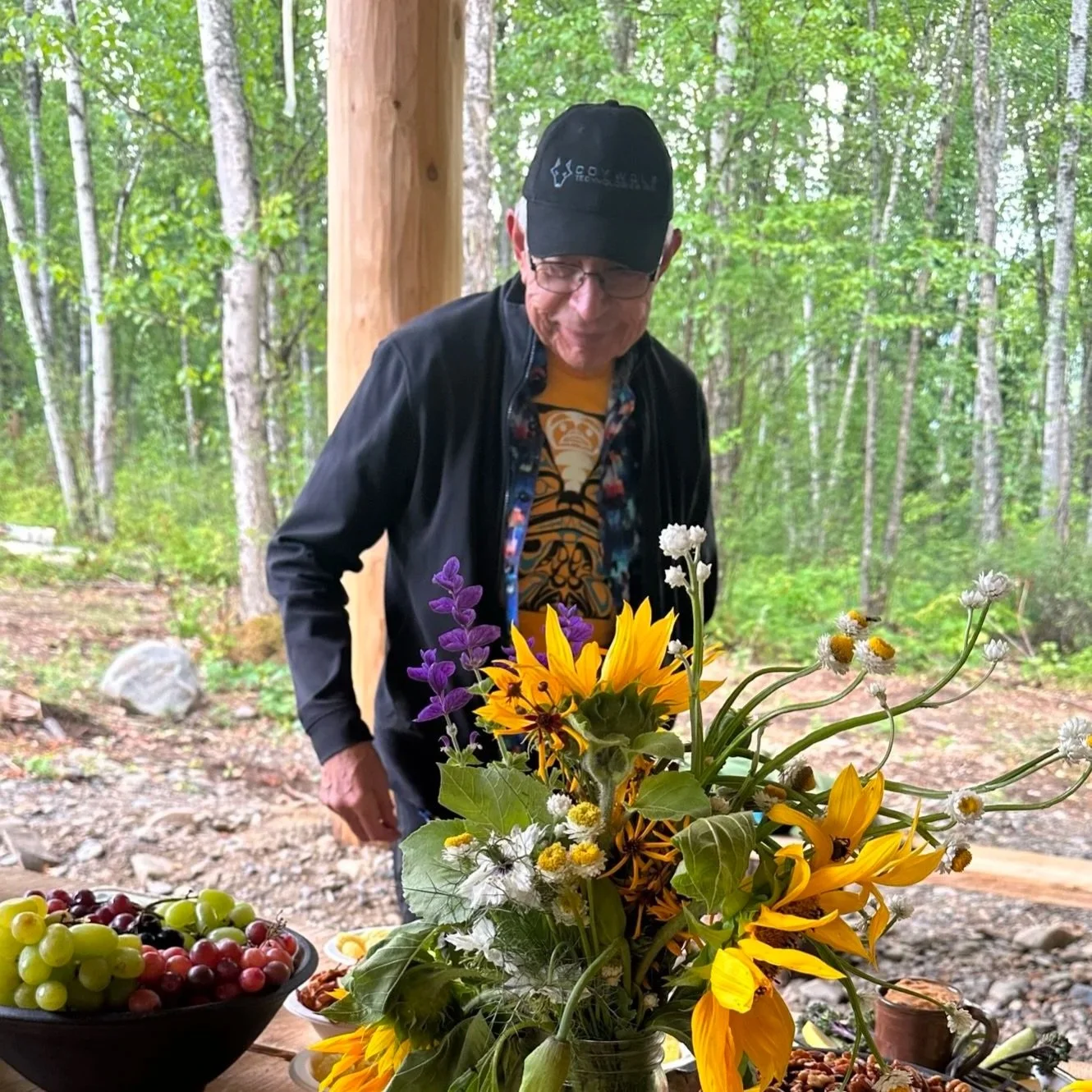
Hanamuxw (Don Ryan)
Don holds the Gitxsan Hereditary Chief name, Hanamuxw of the Fireweed Clan from Gitsegukla. He belongs to Wilp (House Group) Gyetem Maxmagii (Rainbow Person). He works with four other Chiefs and members of his Wilp doing the function of government. The focus of the Wilp is to secure and guide the Gwelx ye’enst Plan for the Wilp. Gwelx ye’enst means a Gitxsan Ayookwx (law) based on passing down what was passed down to each Wilp; intact and thriving ecosystems; Gitxsan knowledge and spiritual connections; and ensuring the health and wellbeing of future generations.
Don has provided over fifty years of strategic legal and political positioning for Indigenous peoples across British Columbia and Canada. Don seeks out remedies that fully recognize unique Indigenous ownership and jurisdiction. Crown Relations Agreements are needed to implement the peaceful co-existence of pluralism in Canada.
From 2006 to 2021, Don was Facilitator/Negotiator with Stk’emlupsemc and Sexqeltkemc, two of the seven geo-political units of the Secwepemc. A Treaty of Friendship and Cooperation between the Gitxsan, Wet’suwet’en and Secwepemc guided this work. Don worked on Indigenous forms of government, economic benefit agreements, co-management agreements and own source revenues.
Don is currently working with UBC and SFU on LiDAR Data Collection and Preliminary Analysis in the Gitsegukla Watershed.
-
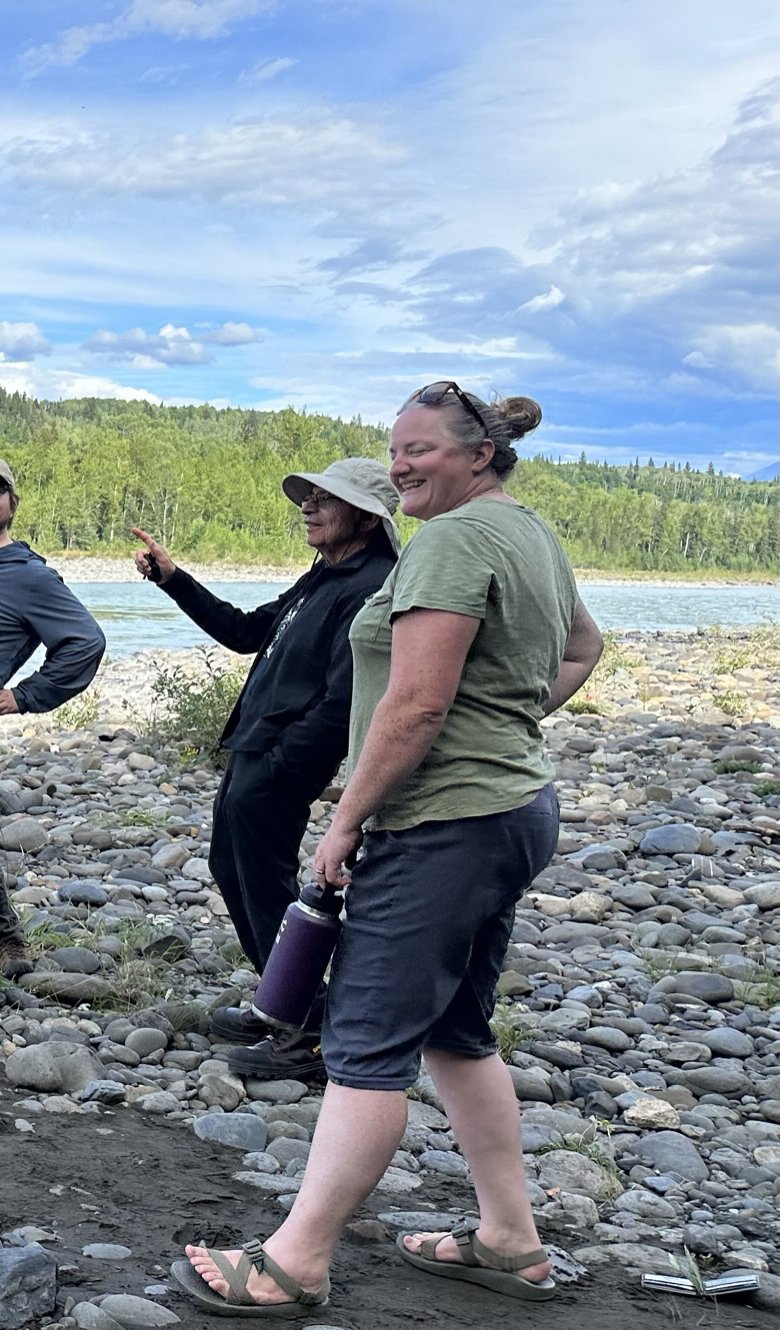
Shannon McPhail
Shannon McPhail is the founder and executive director of Skeena Watershed Conservation Coalition. She is involved in many community organizations, such as the Majagaleehl Gali Aks Elementary School Parent Advisory Committee, Canadian Parents for French in Hazelton and Gananooxxum (Mothers & Grandmothers), a Gitxsan/settler women's leadership group. She teaches workshops across the BC on community organizing and is a former recipient of the northern BC Community Enrichment Award and the North American Conservation Leadership Award. She is an alumnus of the Southern Alberta Institute of Technology and recently completed a certificate in community economic development from Simon Fraser University.