Seed Work
1. Ecological restoration
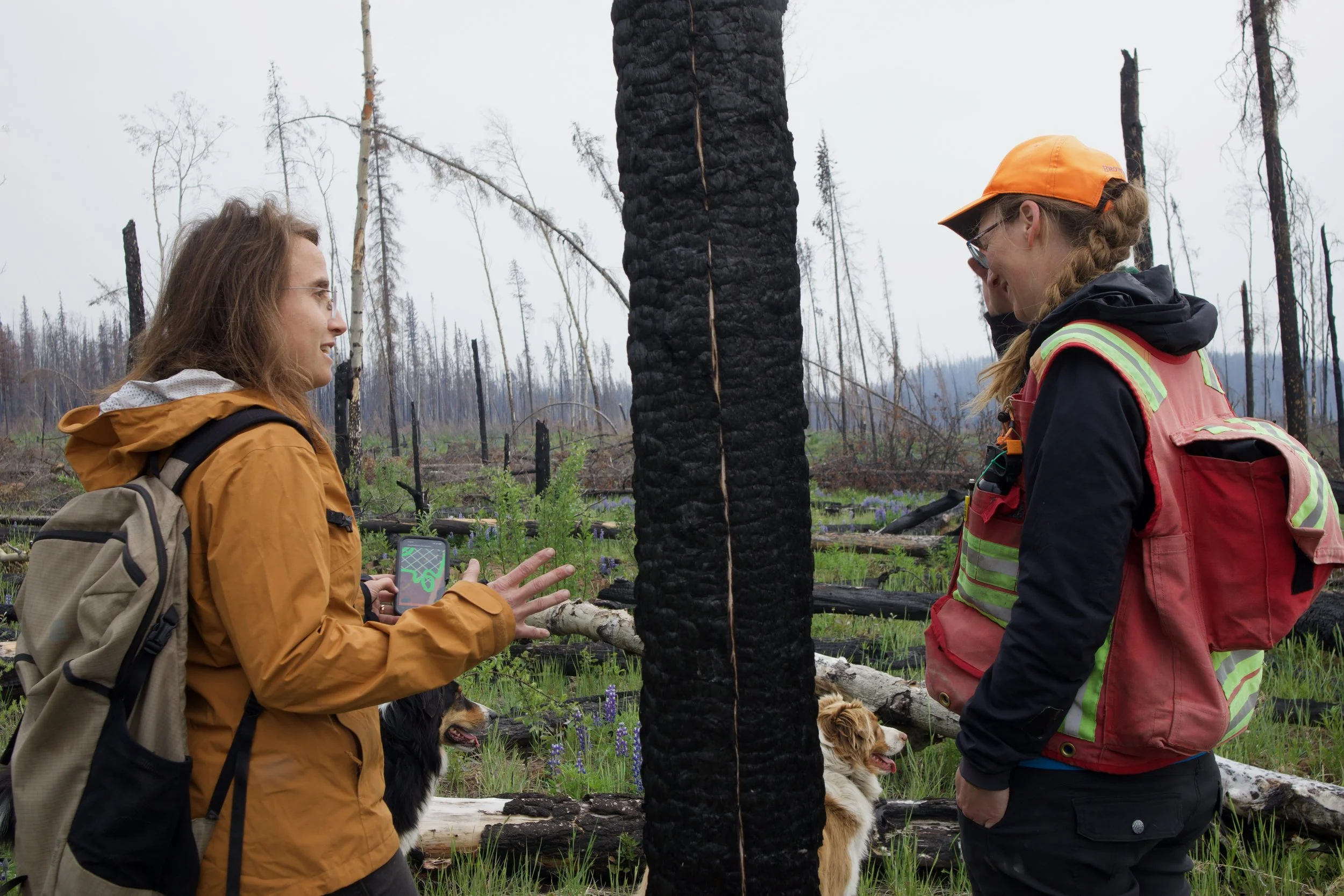
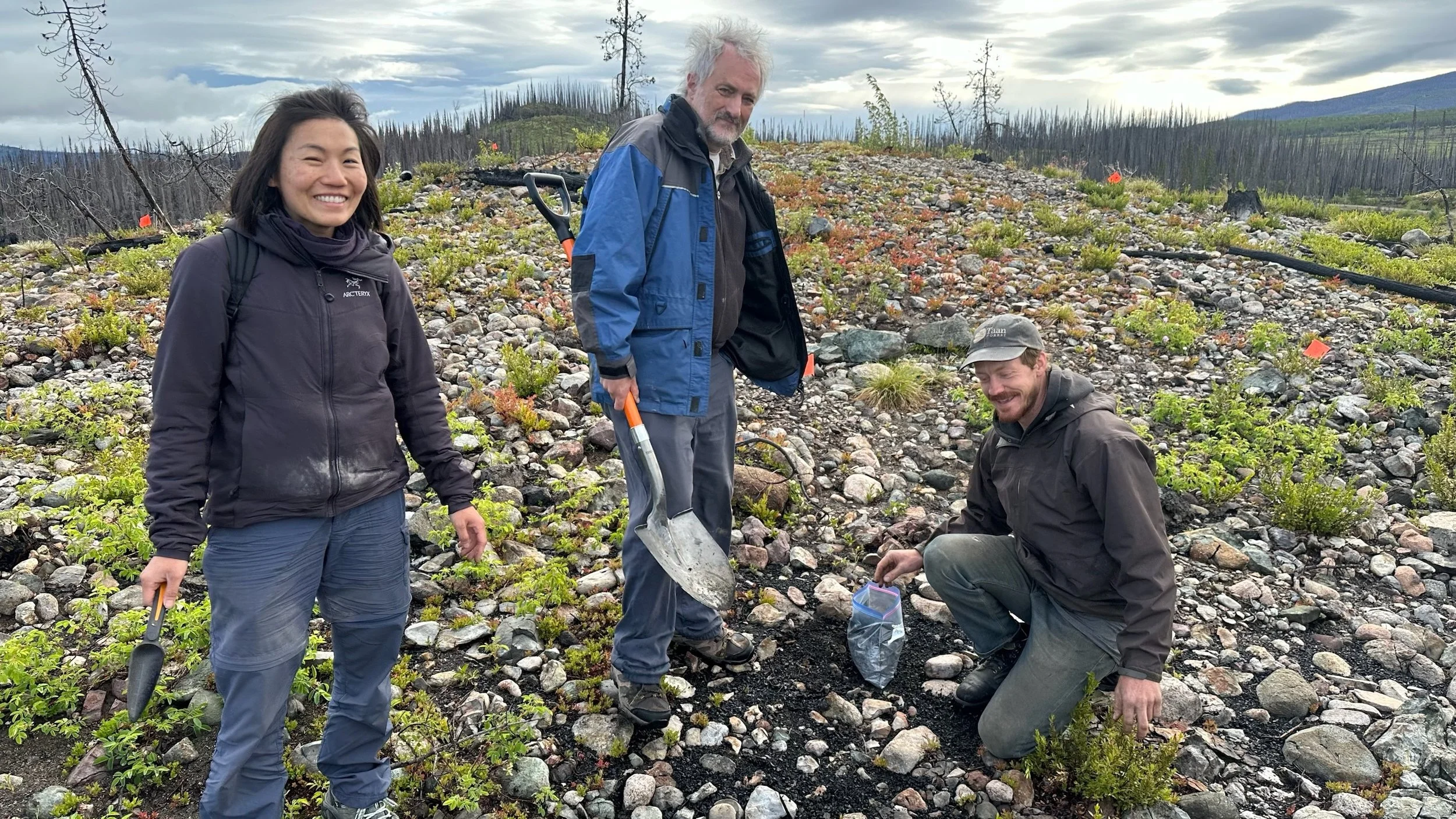
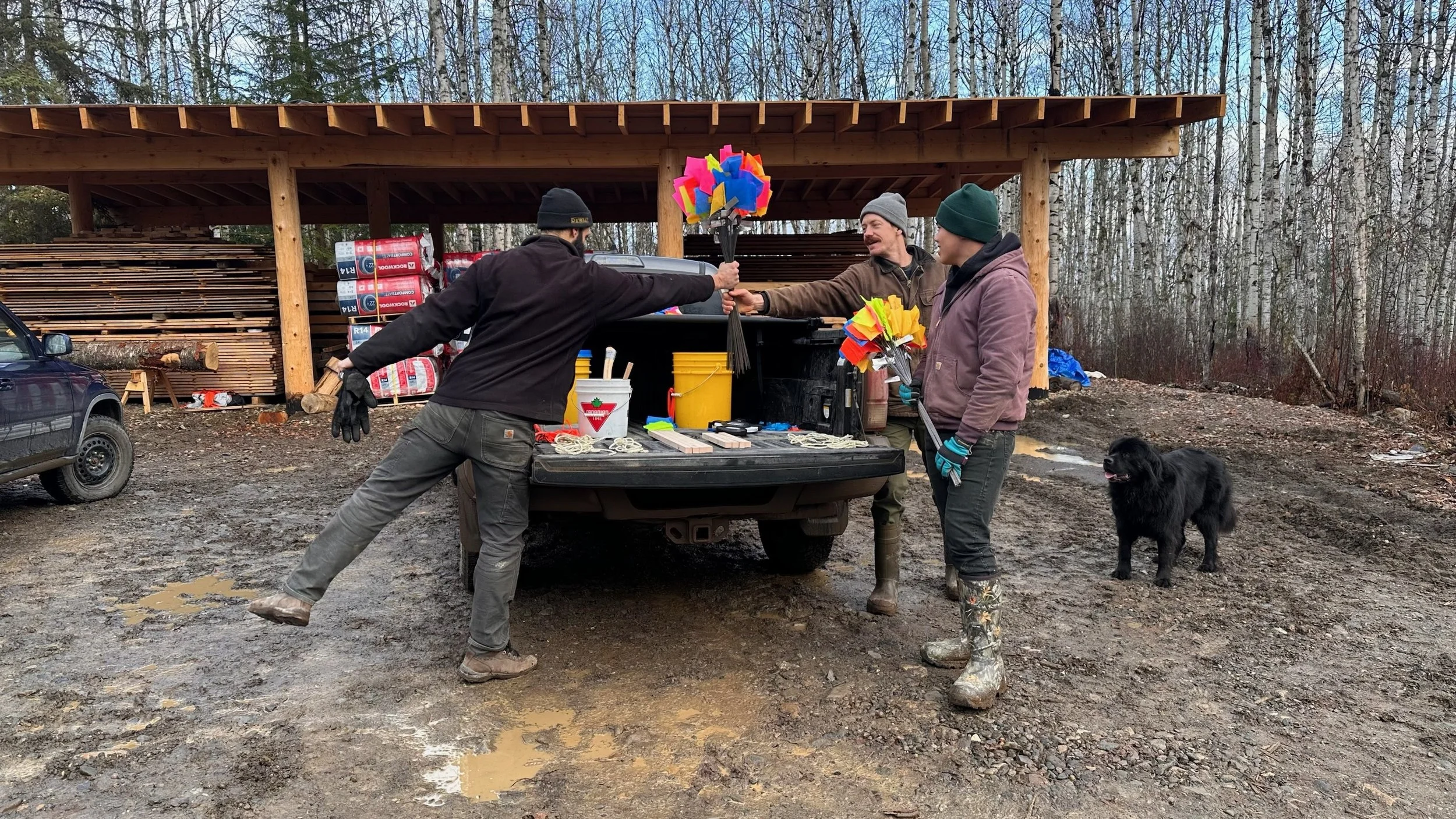
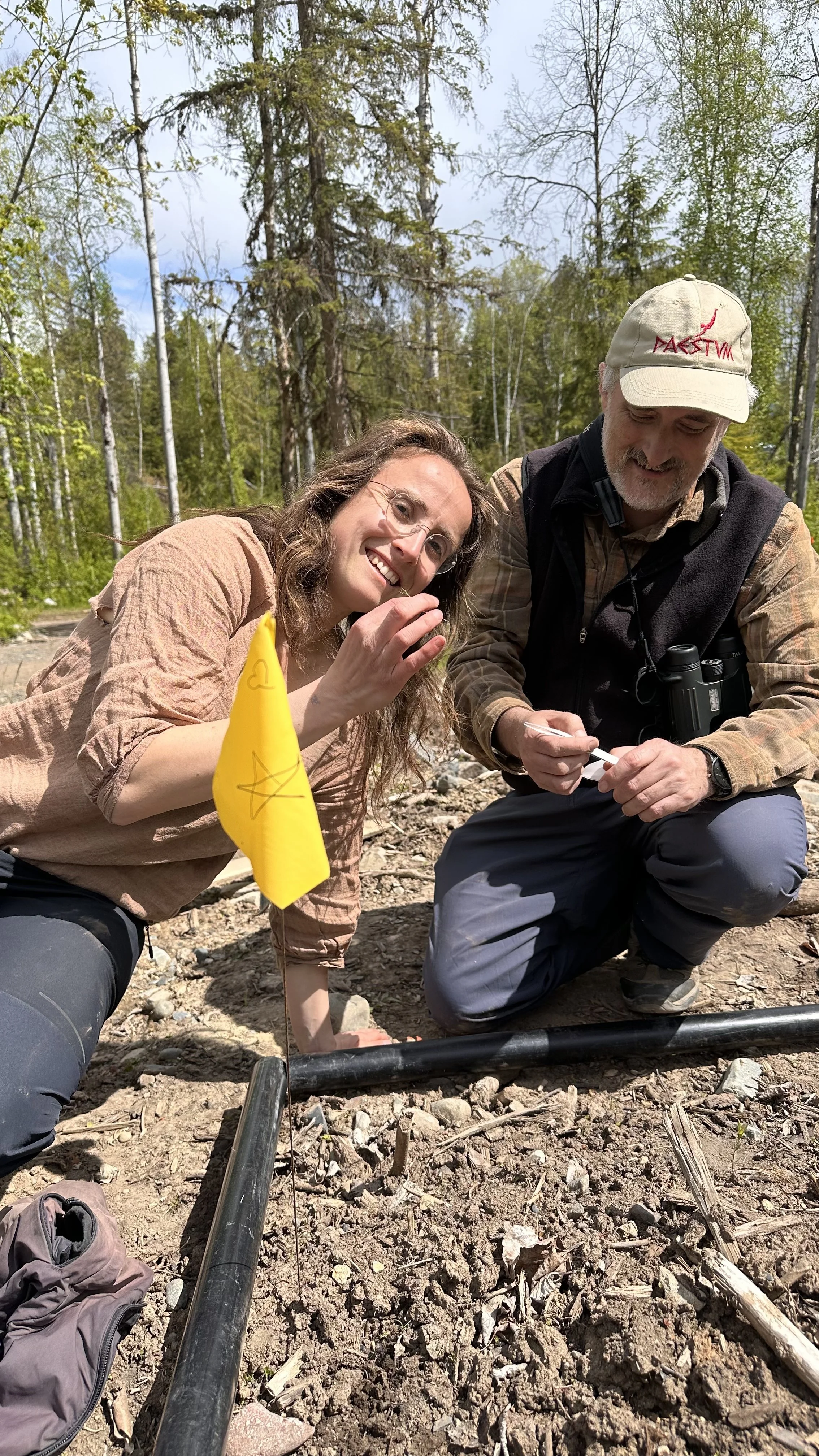
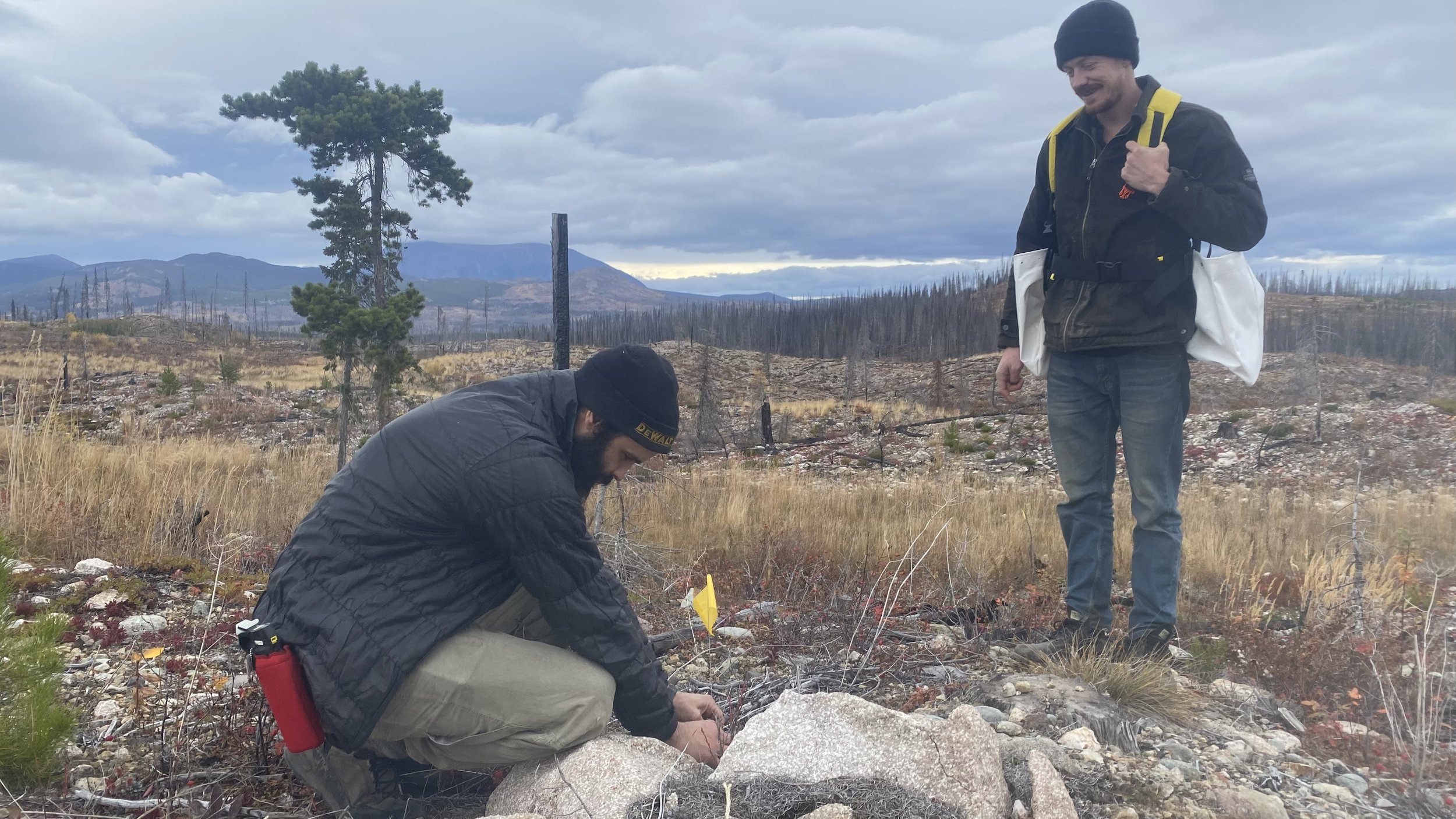
Seed the North’s symbiosis of methods, values, and goals grows directly from walking the landscape with our collaborators, crew, and research associates.
1A. Methods –
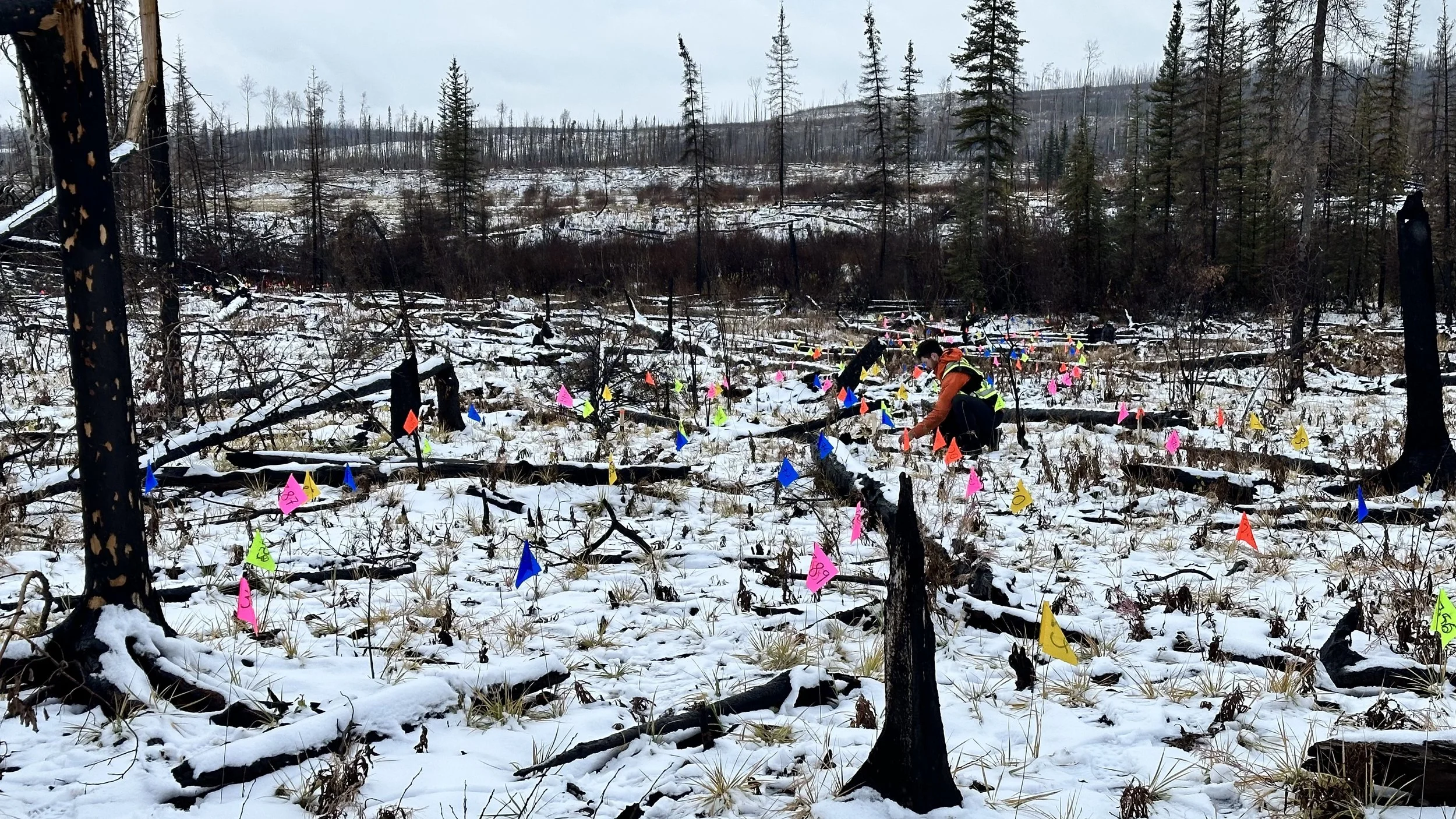
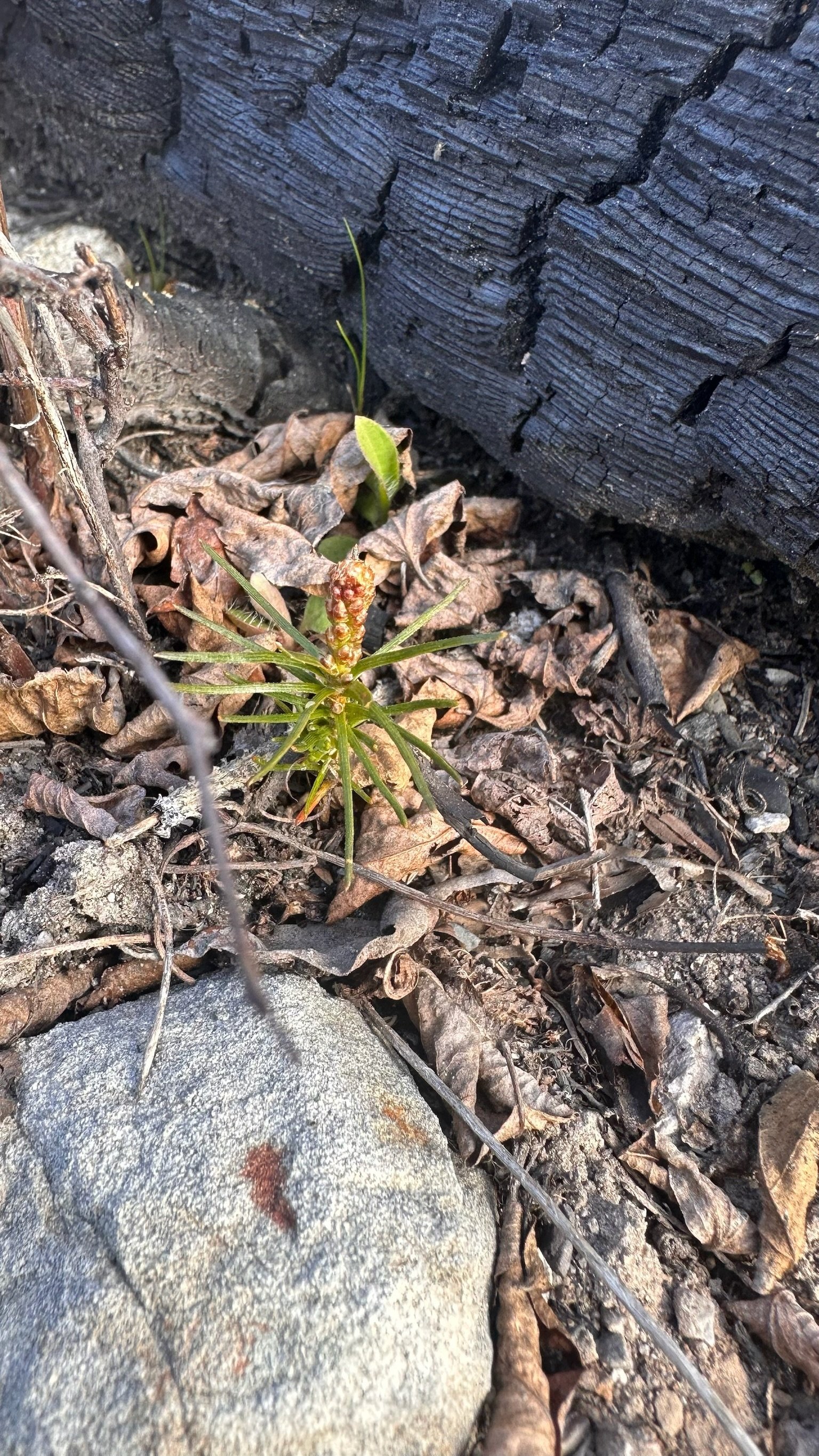
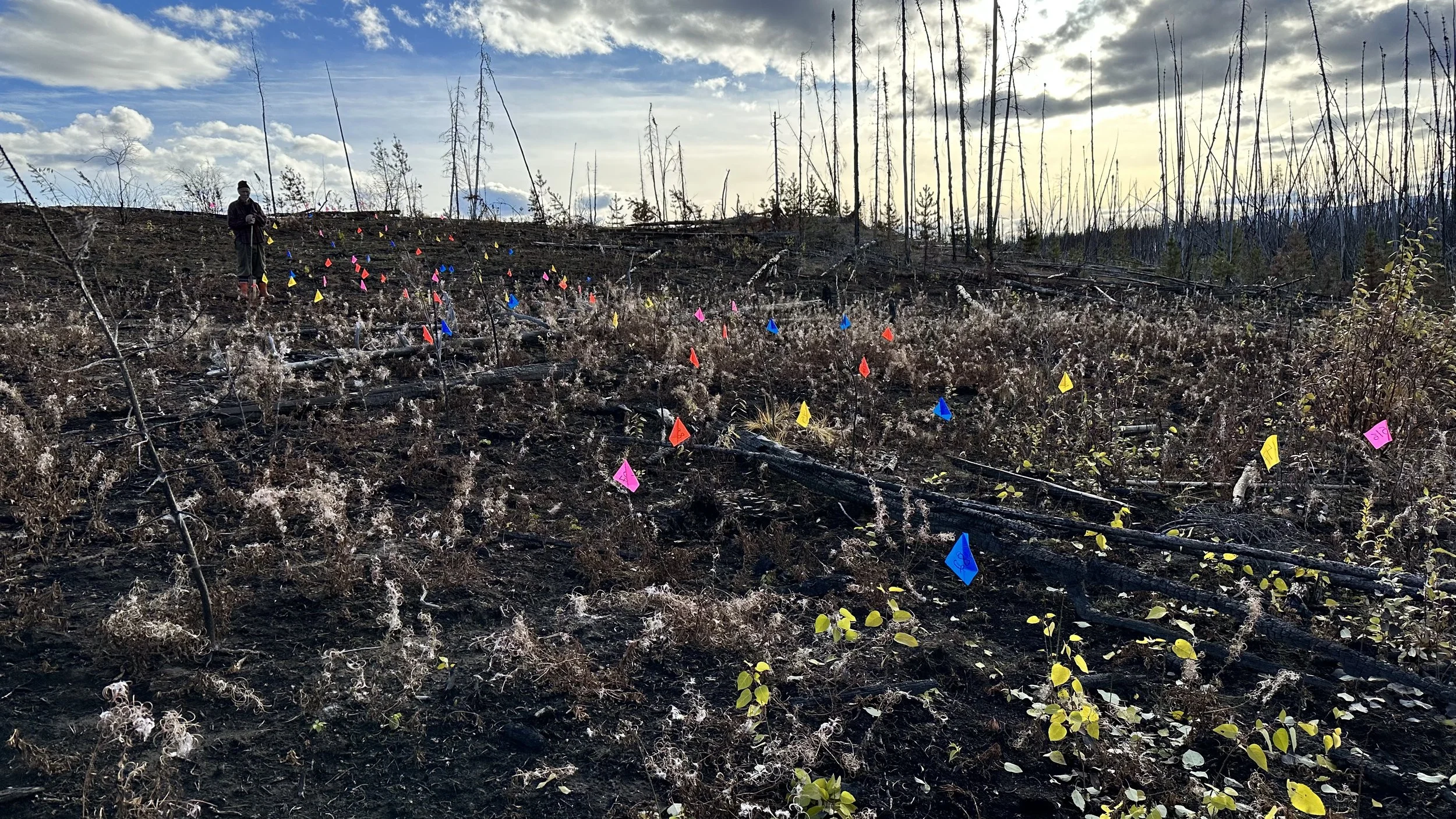
identifying boreal and sub-boreal areas of catastrophic wildfire and riparian erosion that have limited prospects for natural regeneration, and are crucial parts of wildlife corridors
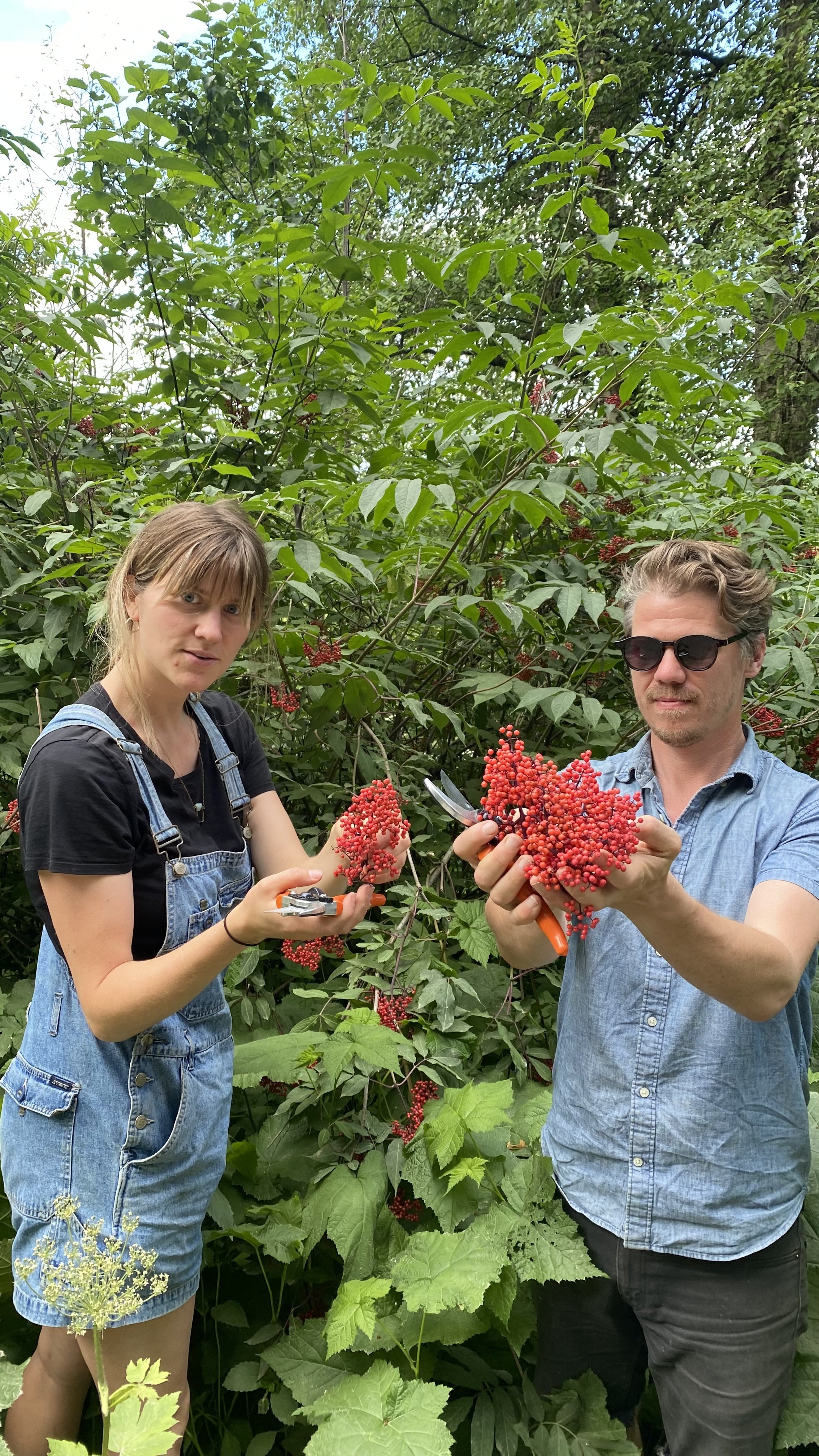
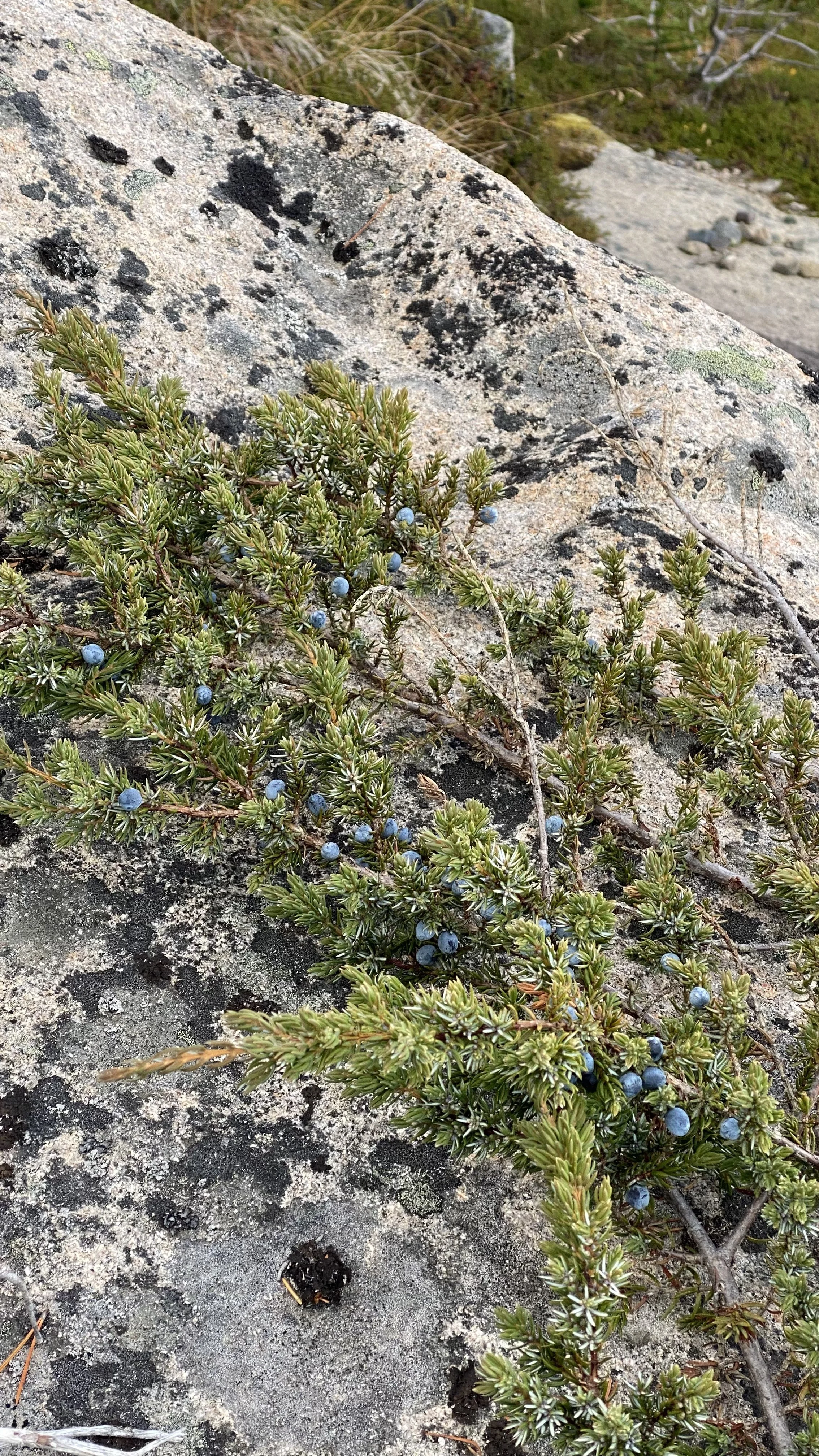
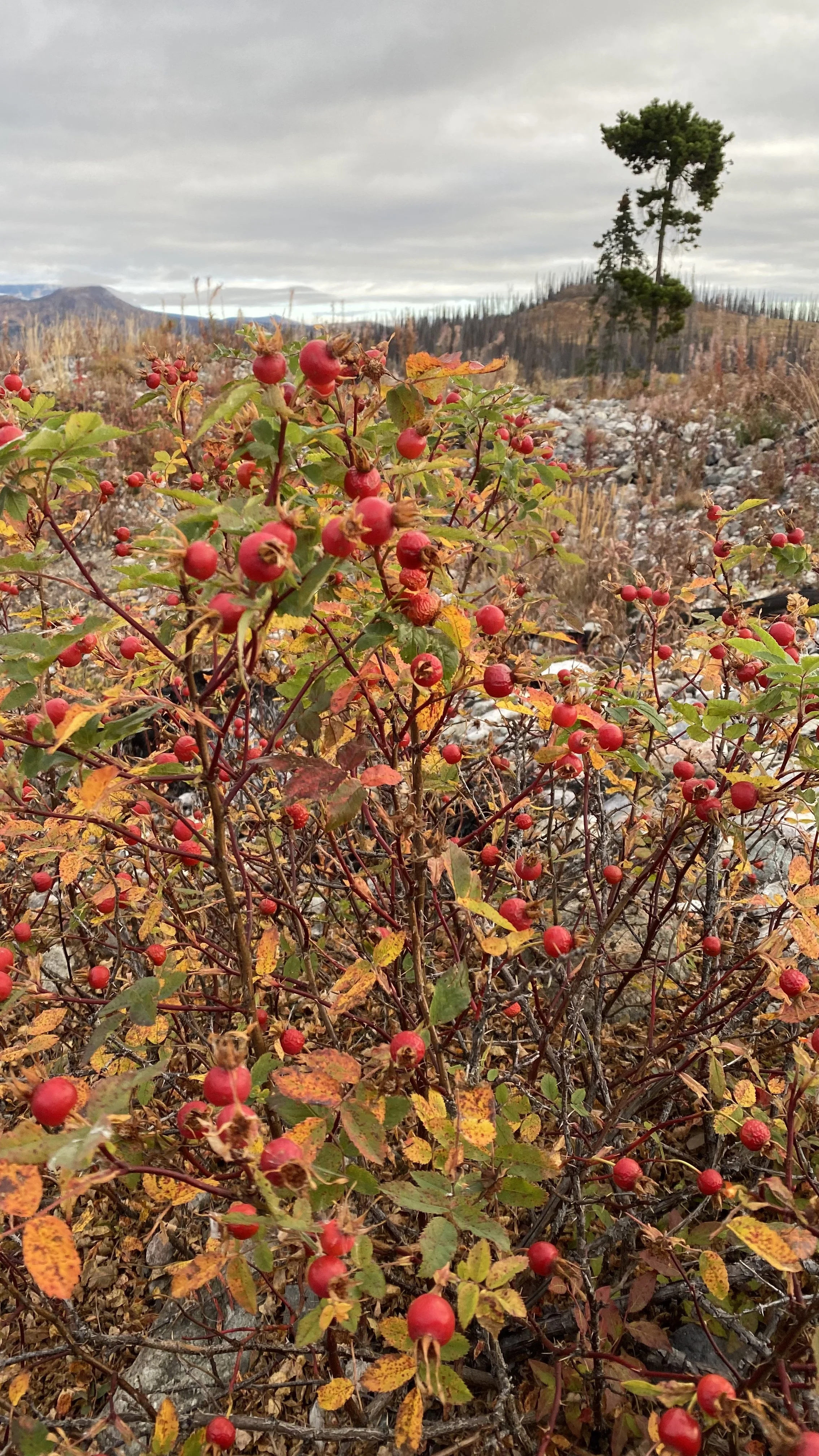
determining species of Indigenous value through community led collaboration (see section 2 below)
prescription planning based on the reference ecosystem and mindful of assisted migration
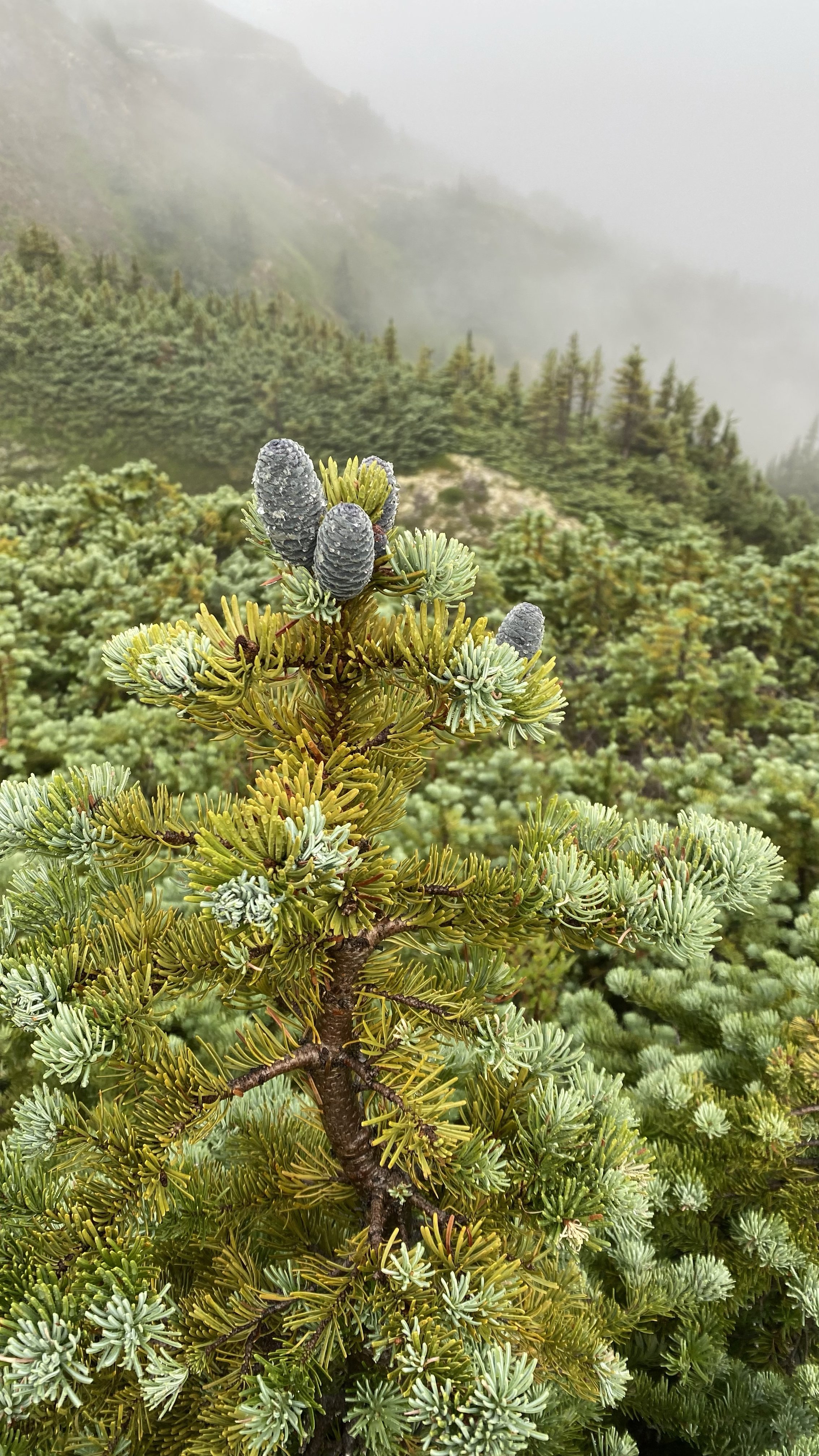
seed collection forecasting based on mast years, weather, and predation
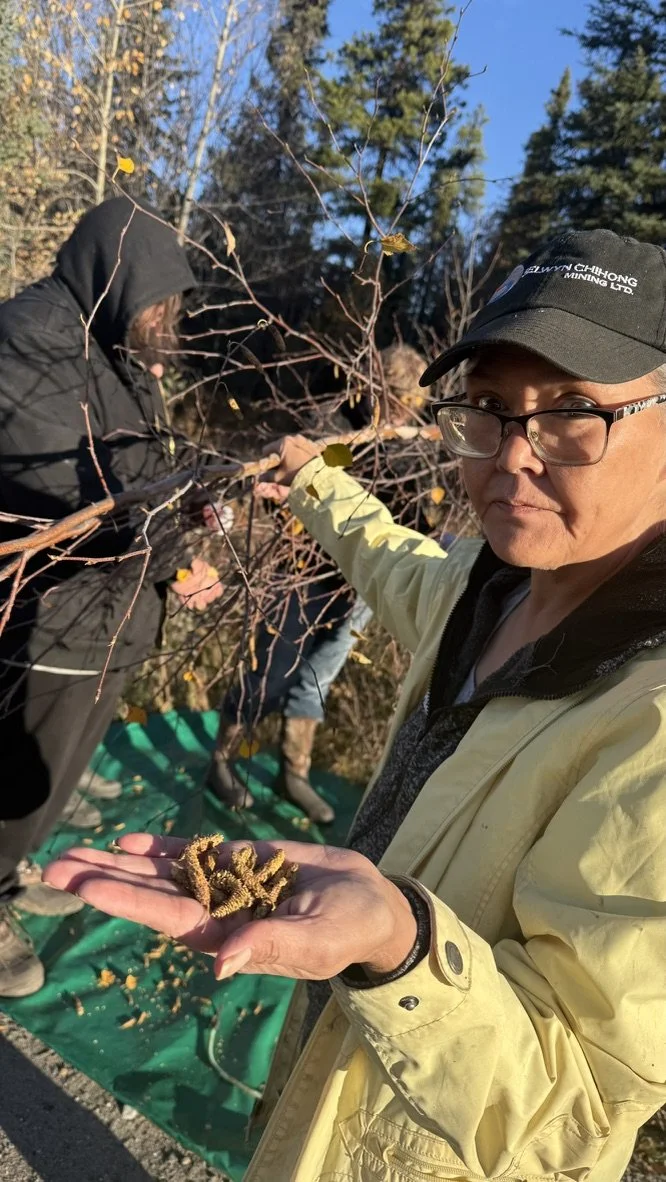
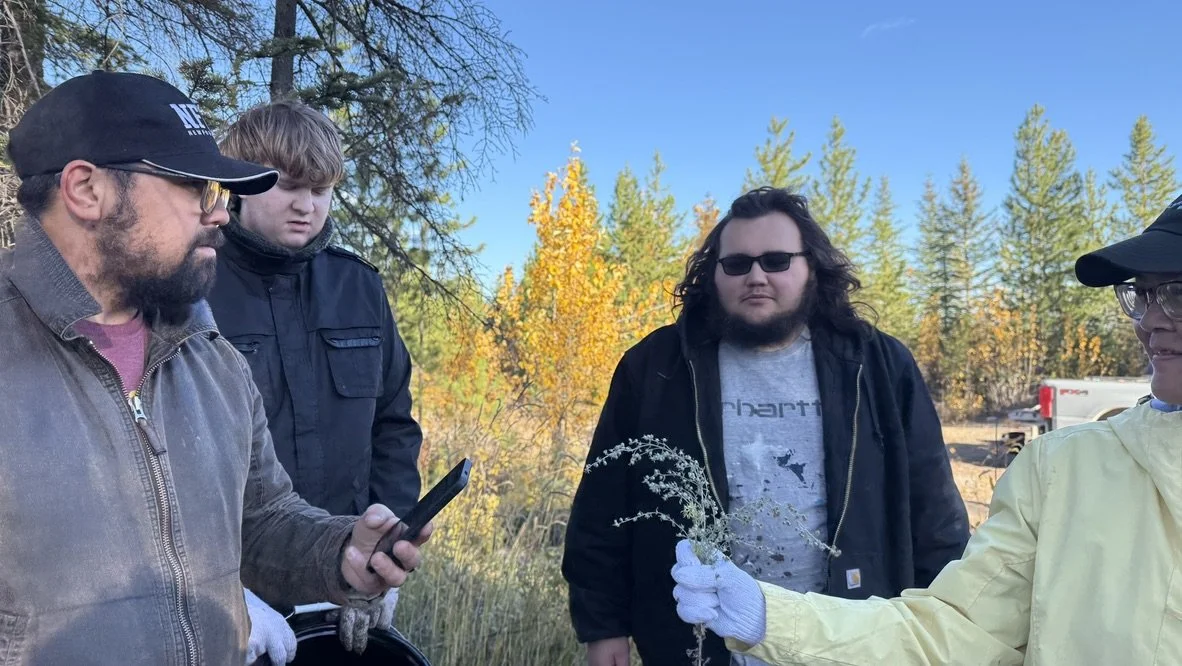
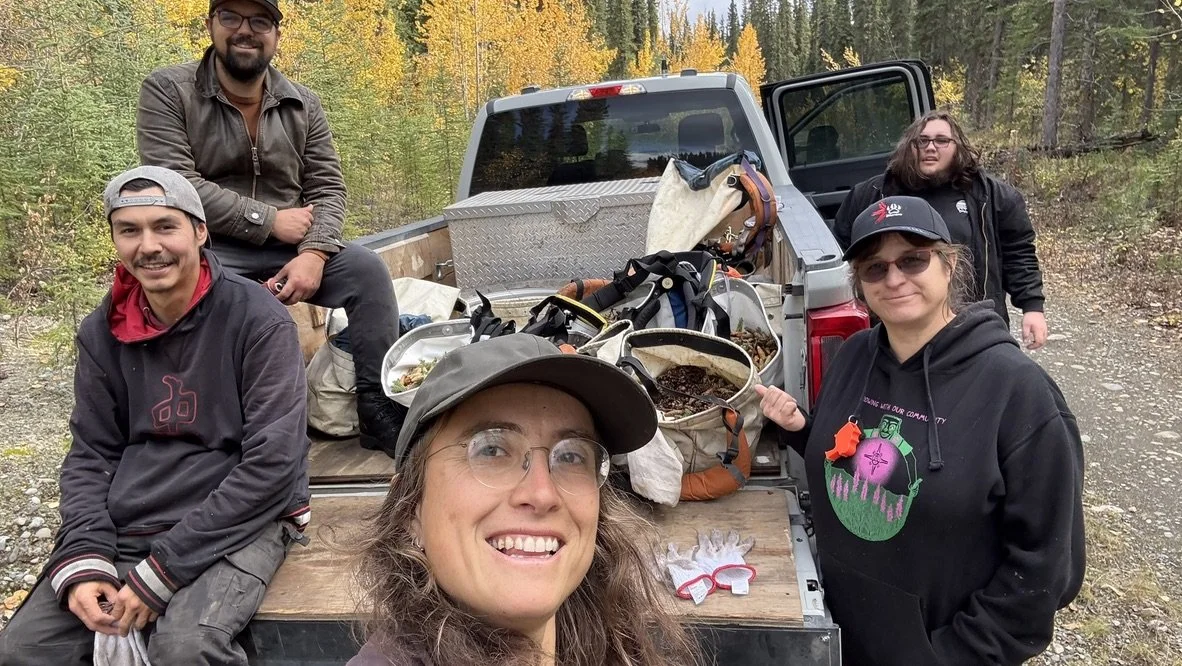
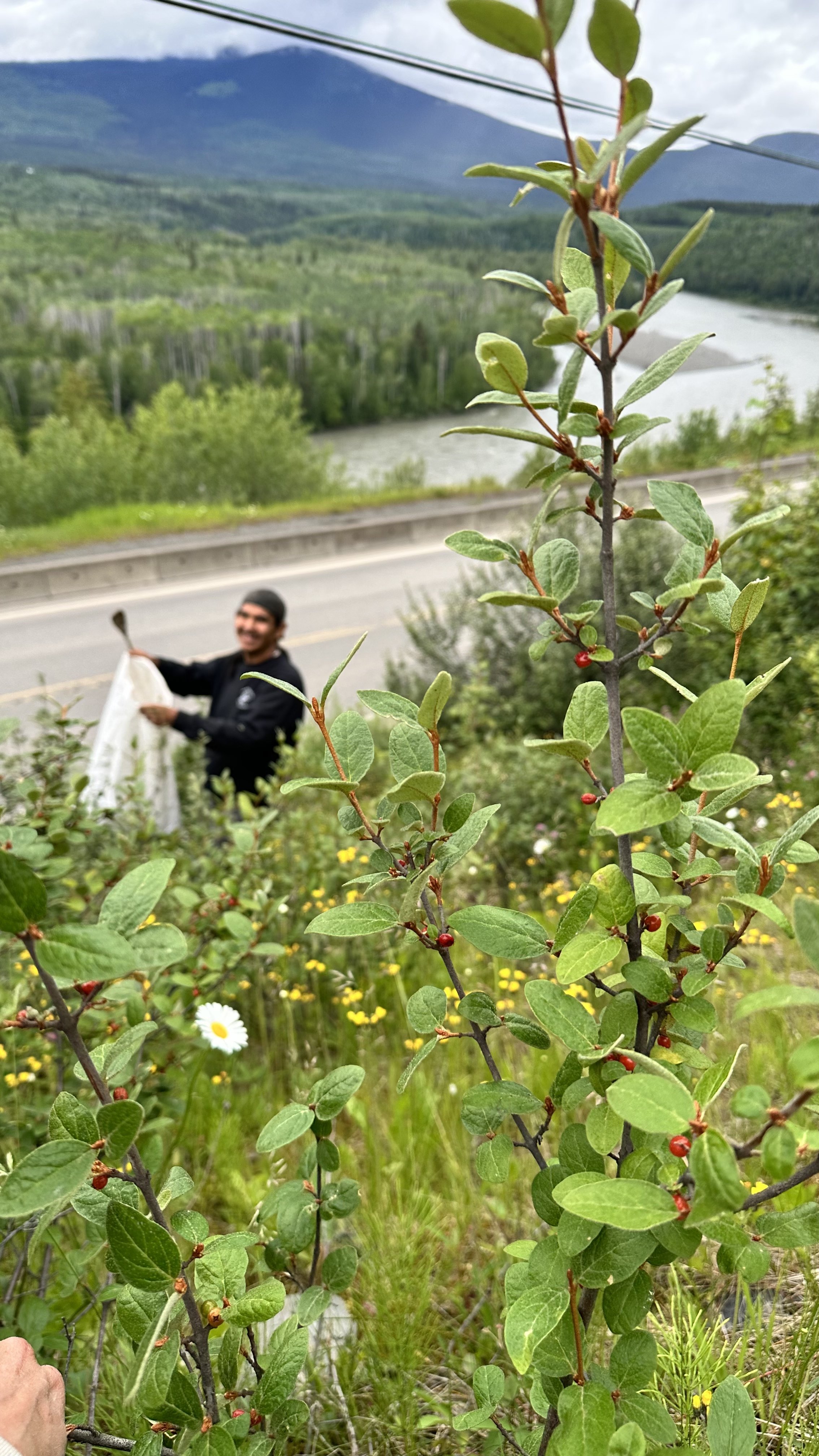
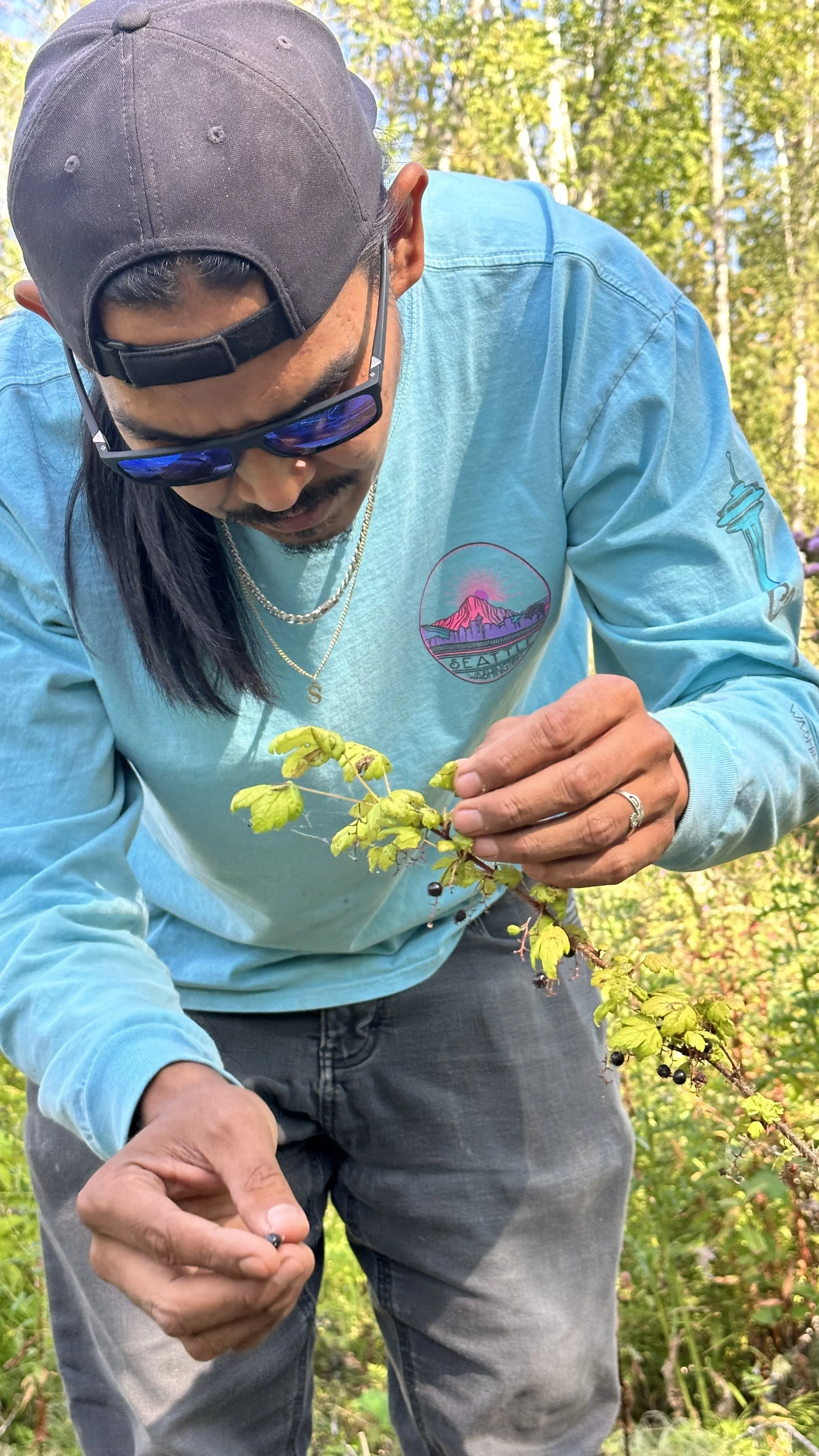
seed collection training and capacity building (see section 2 below)
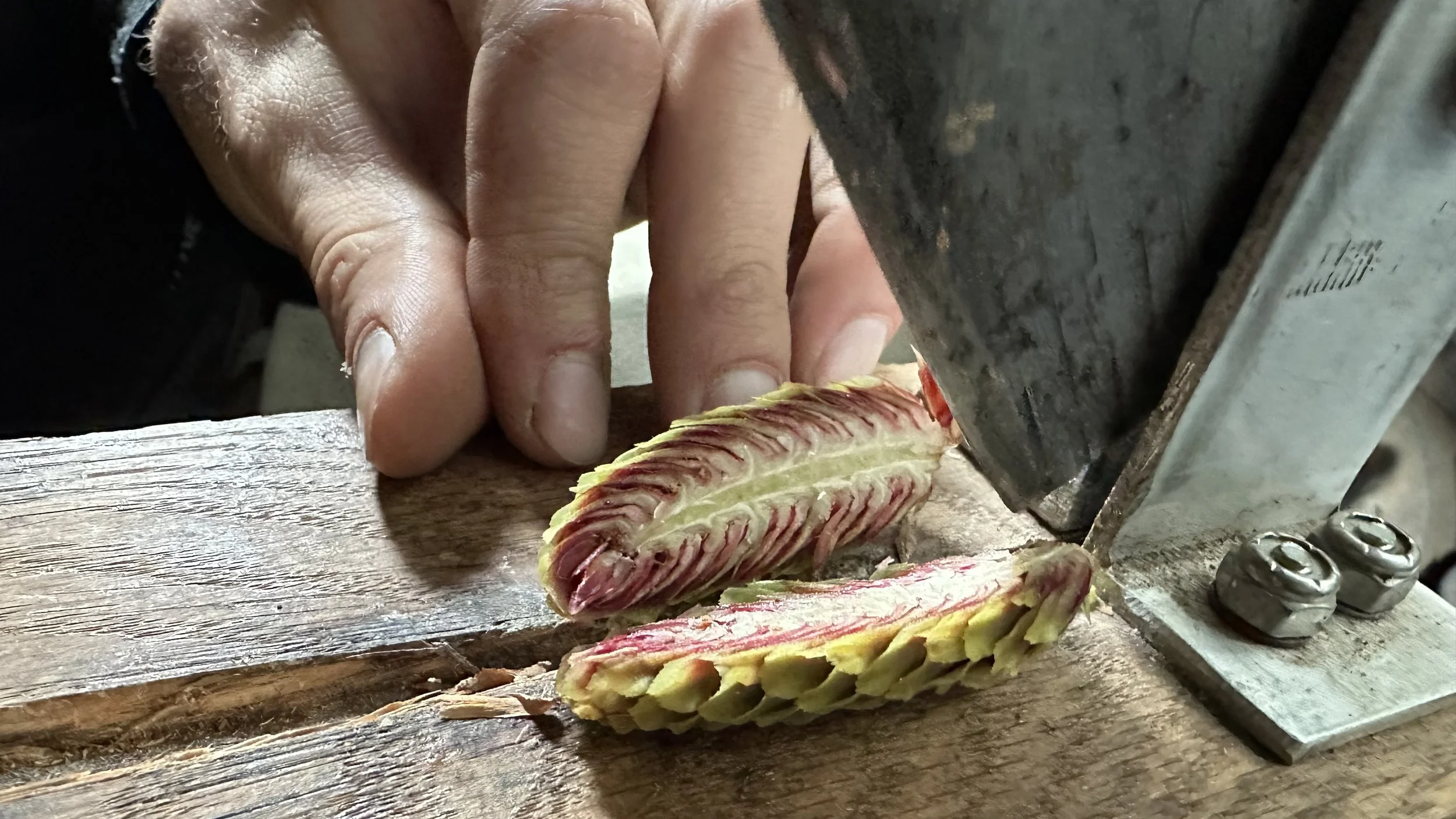
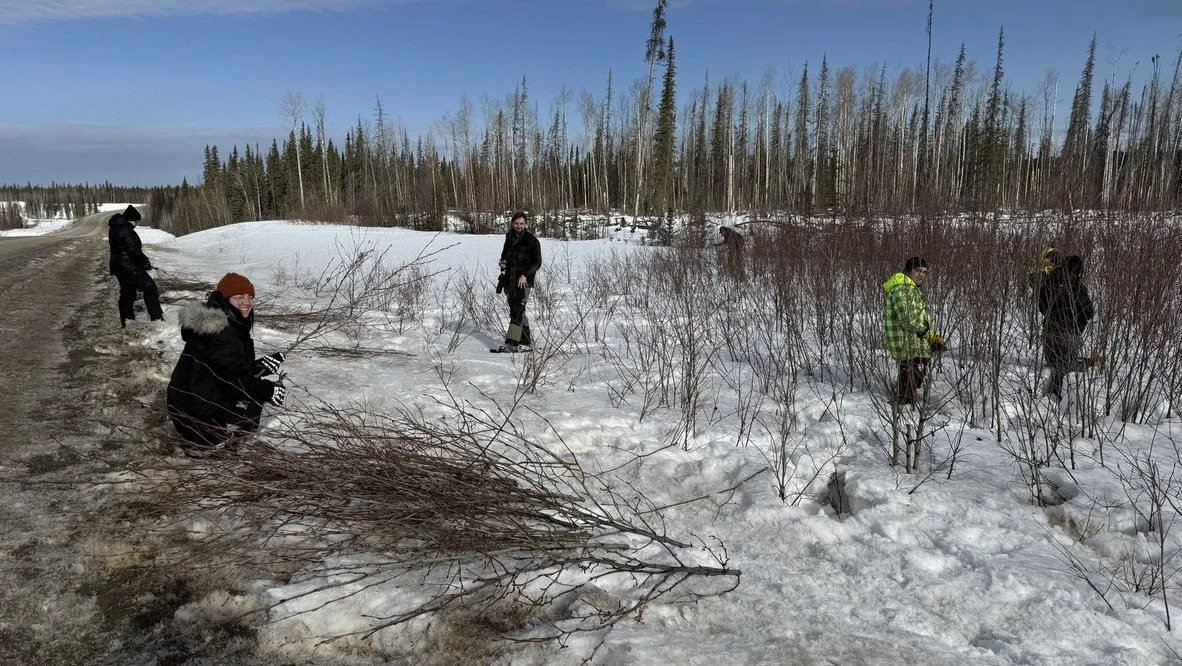
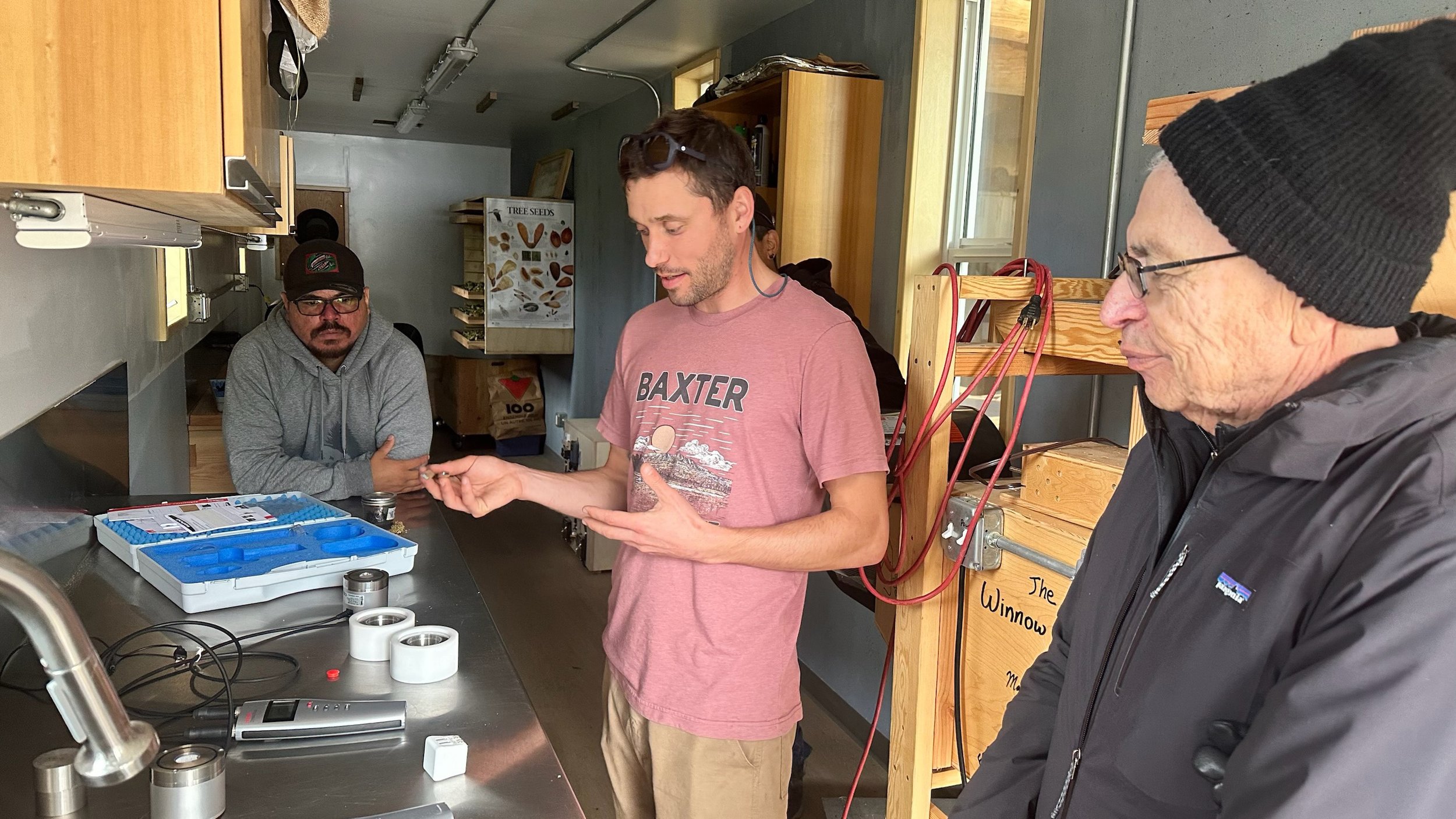
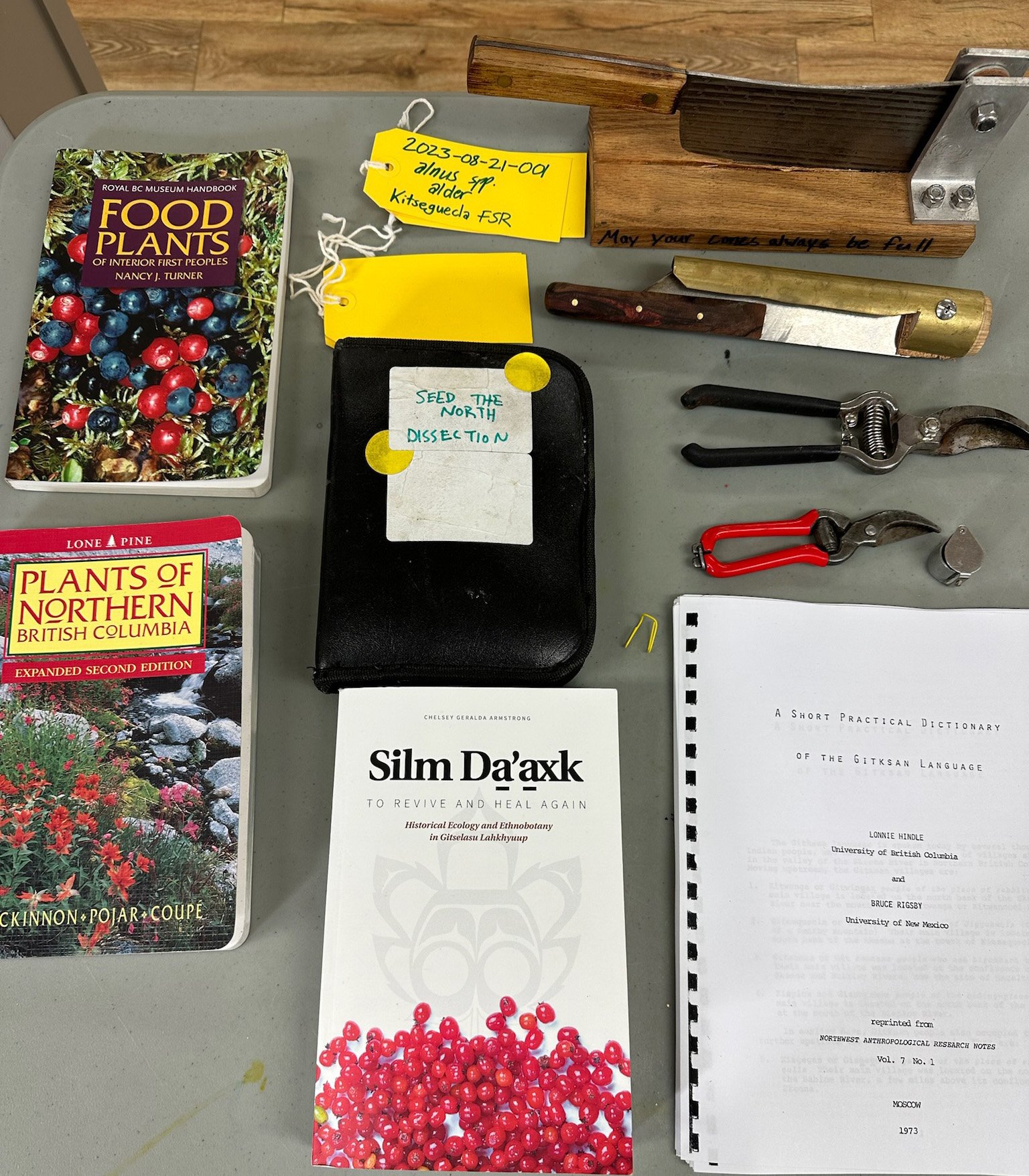
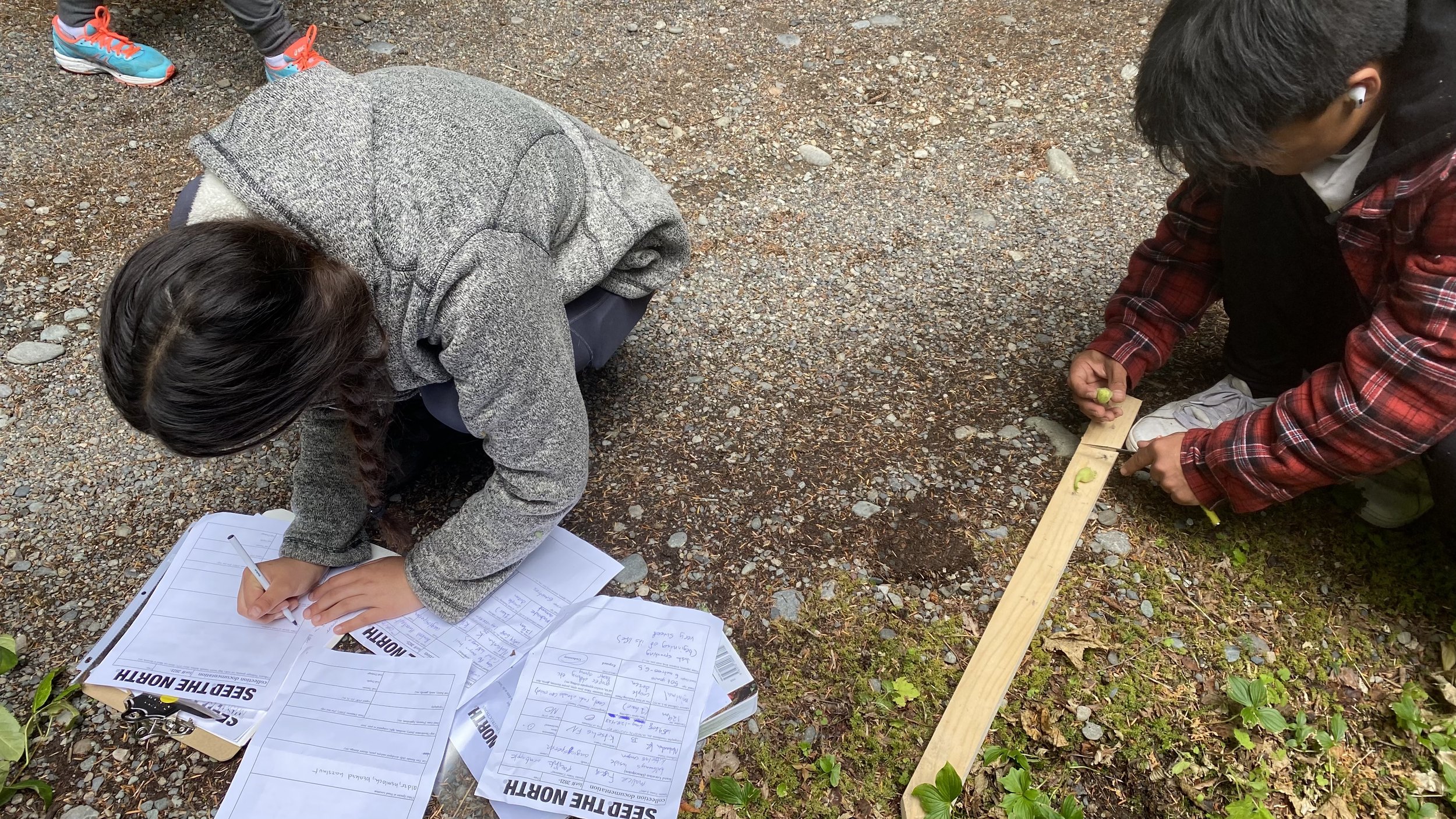
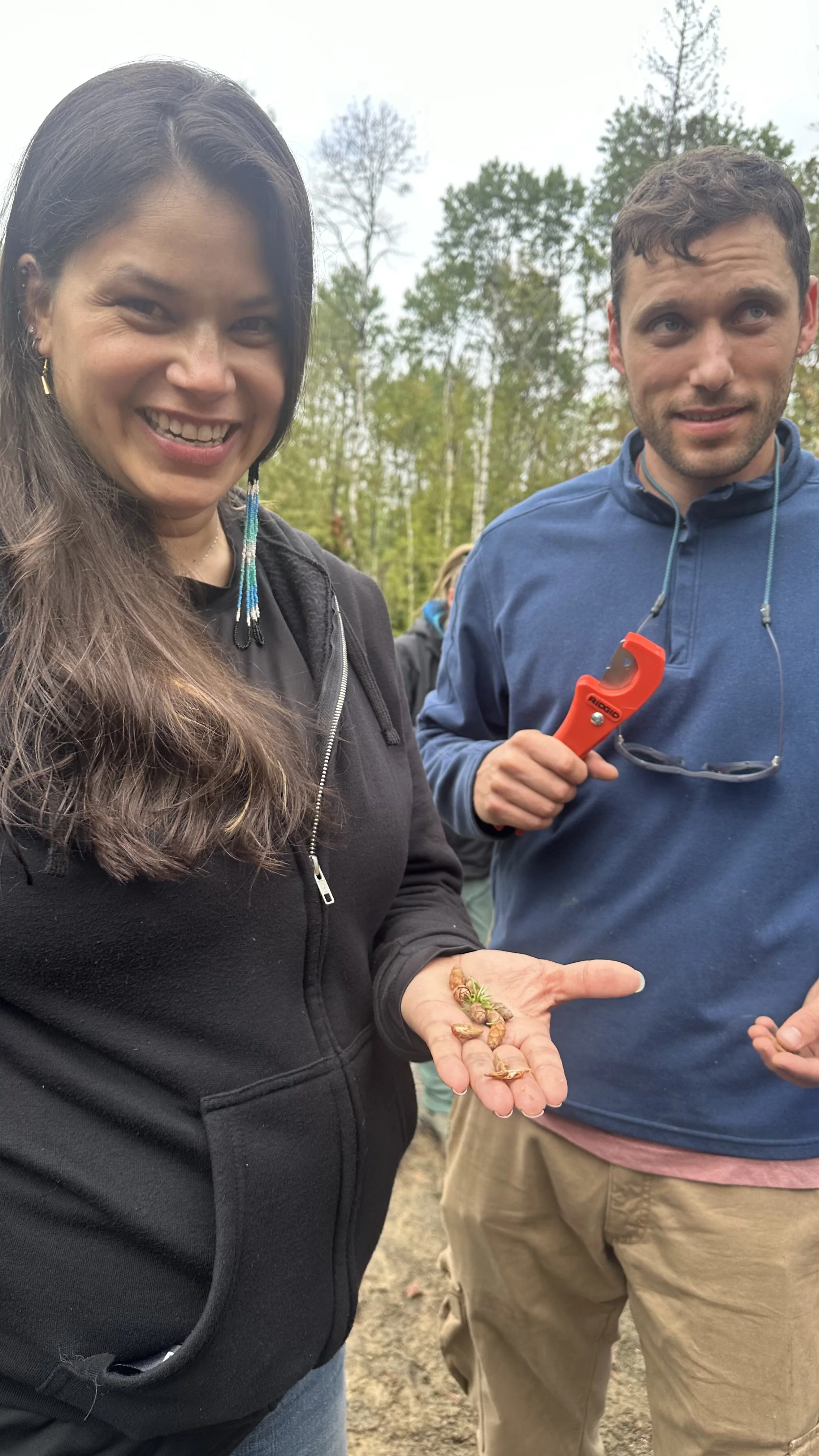
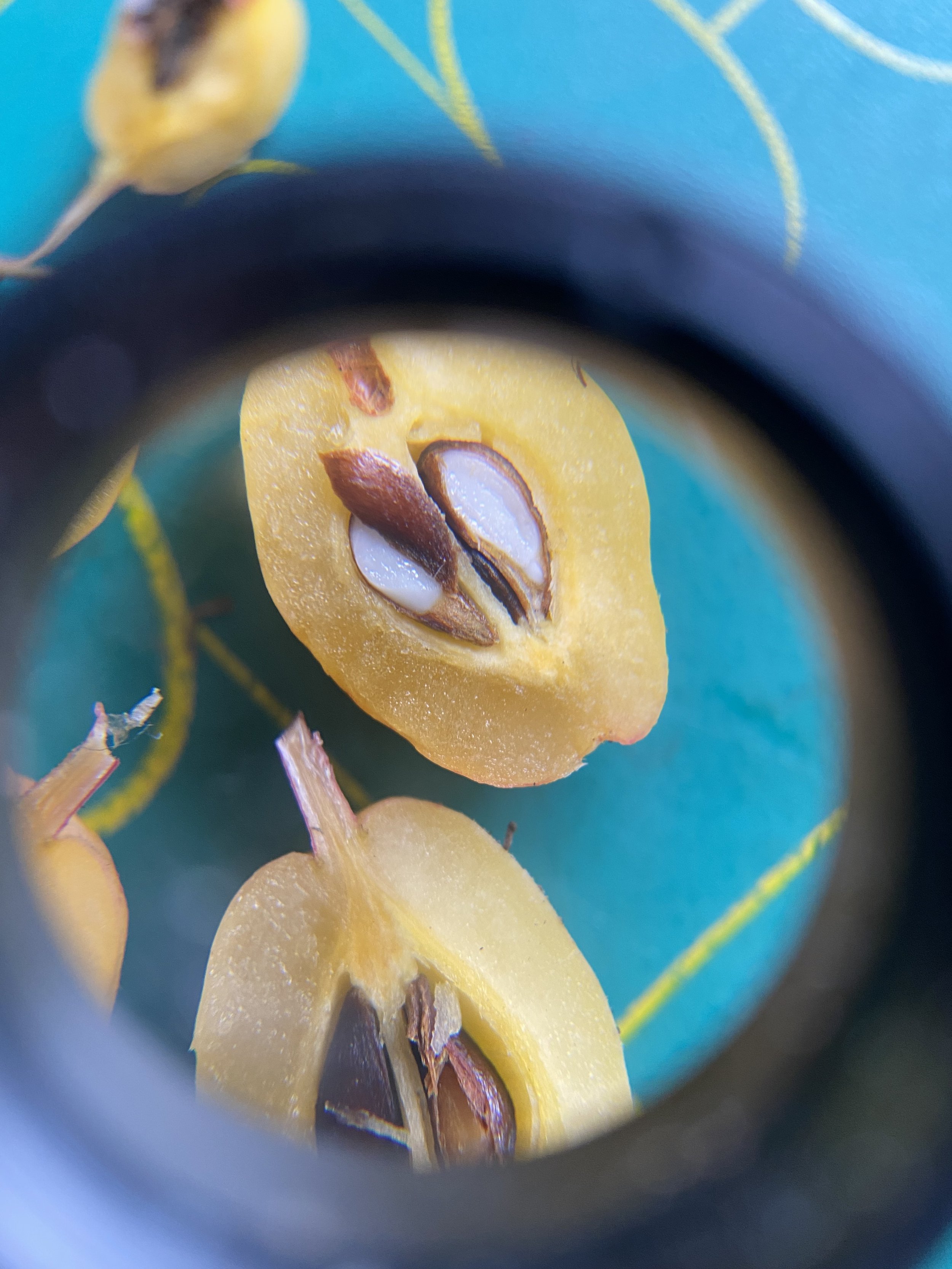
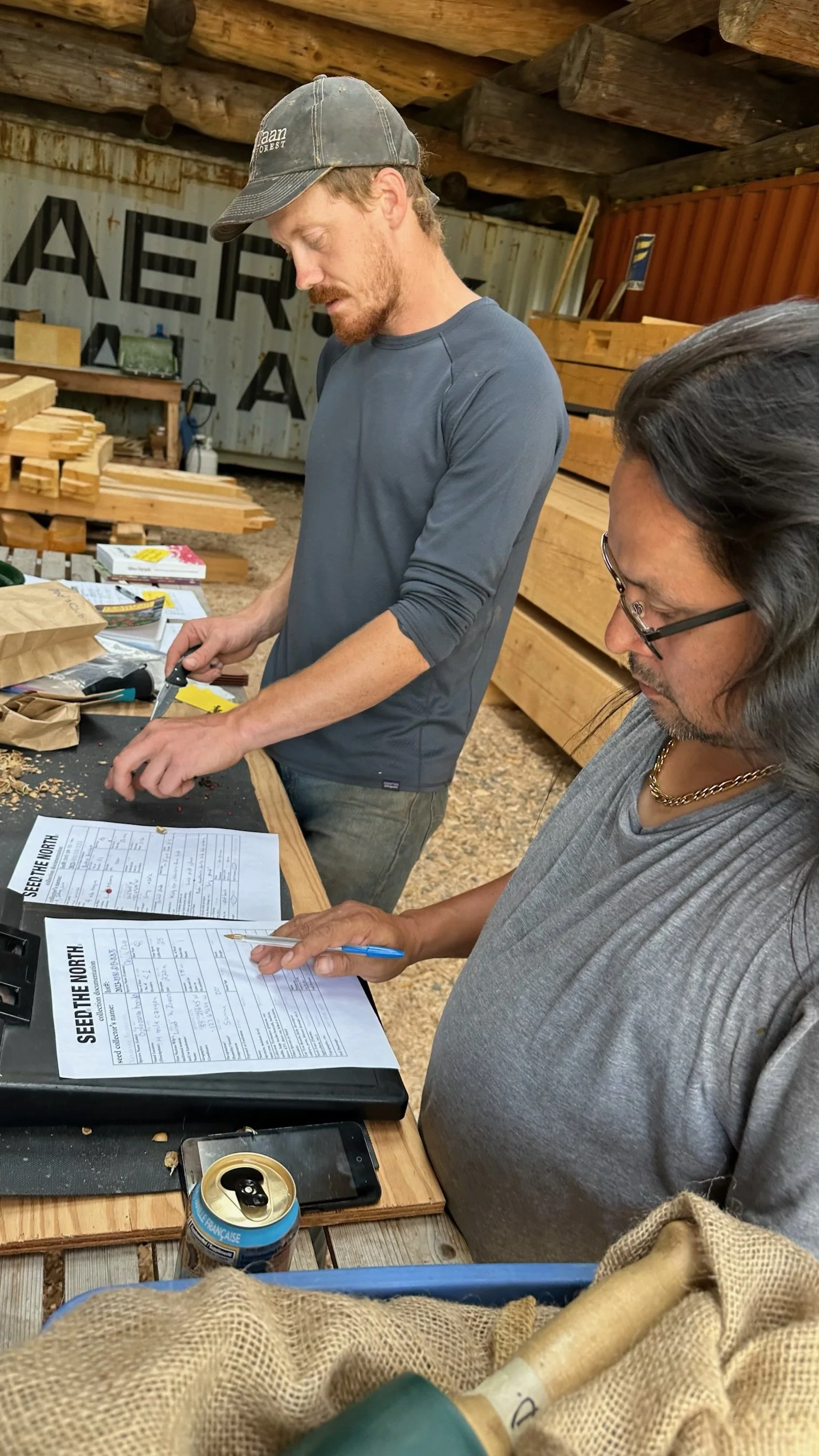
wild stand seed collecting, including cut testing, source documentation, and moisture management
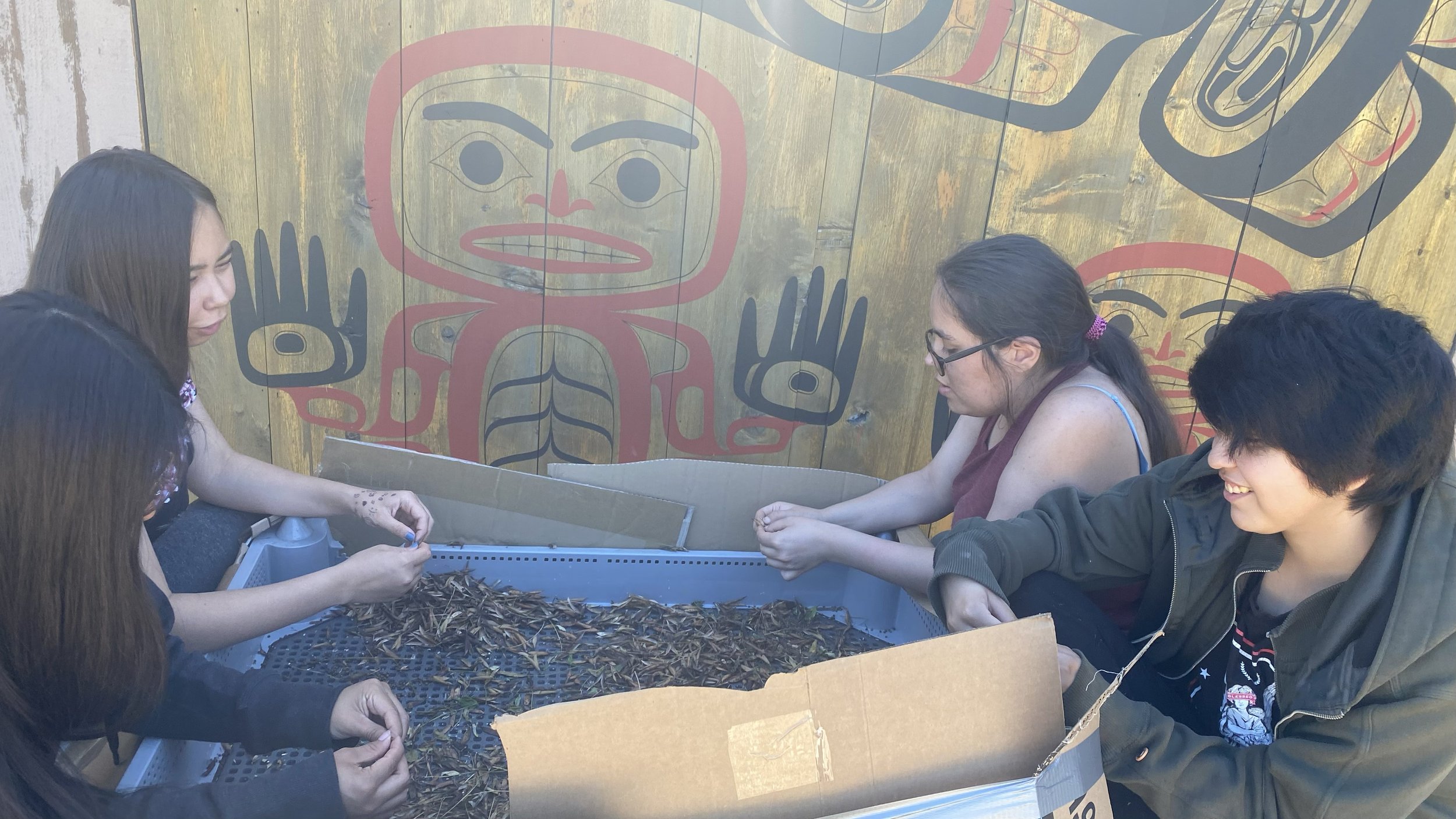
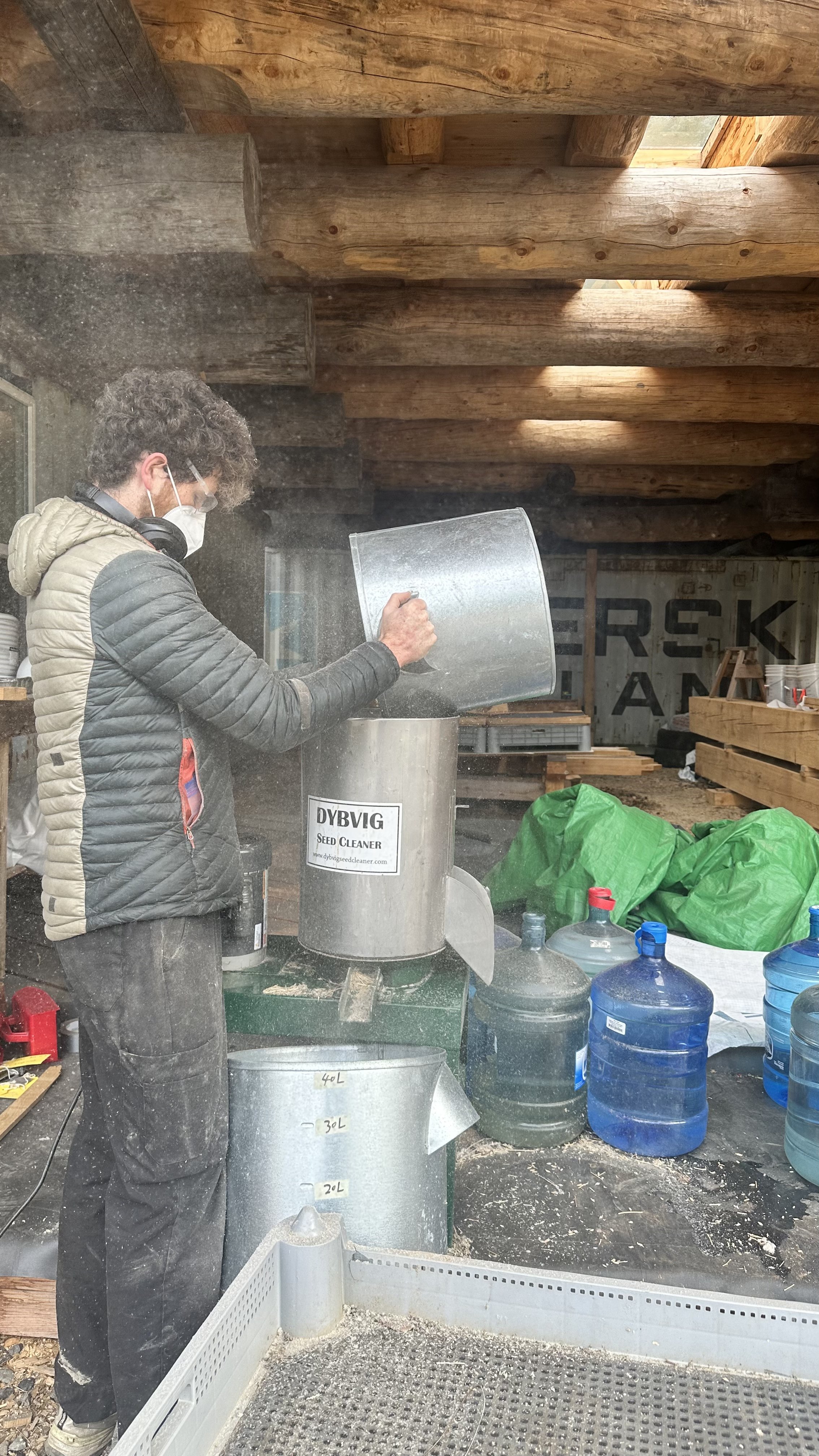
seed processing, testing, banking, and record keeping to highest standards
seed enhancing and multi-species vesseling with soil ameliorants
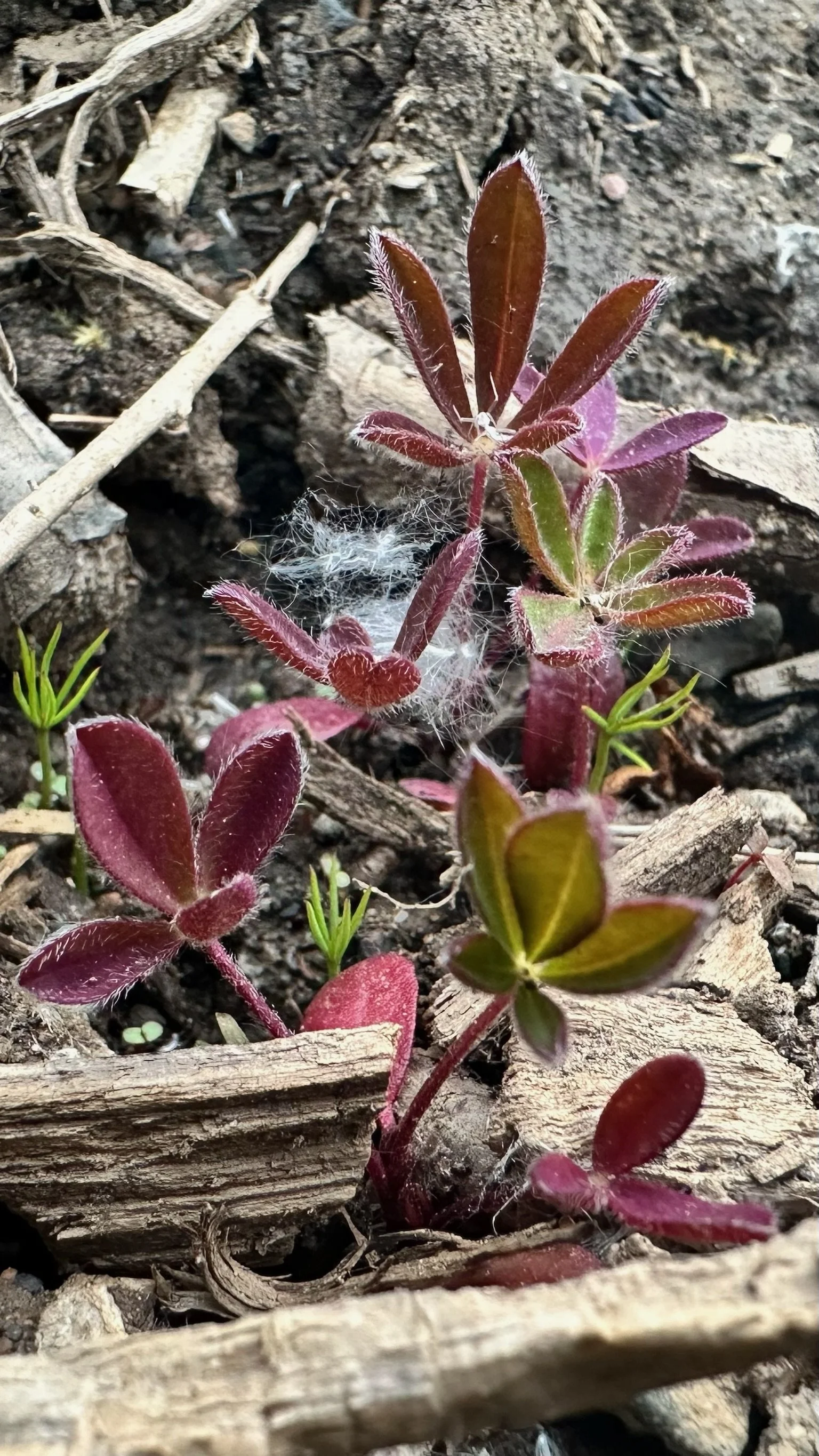
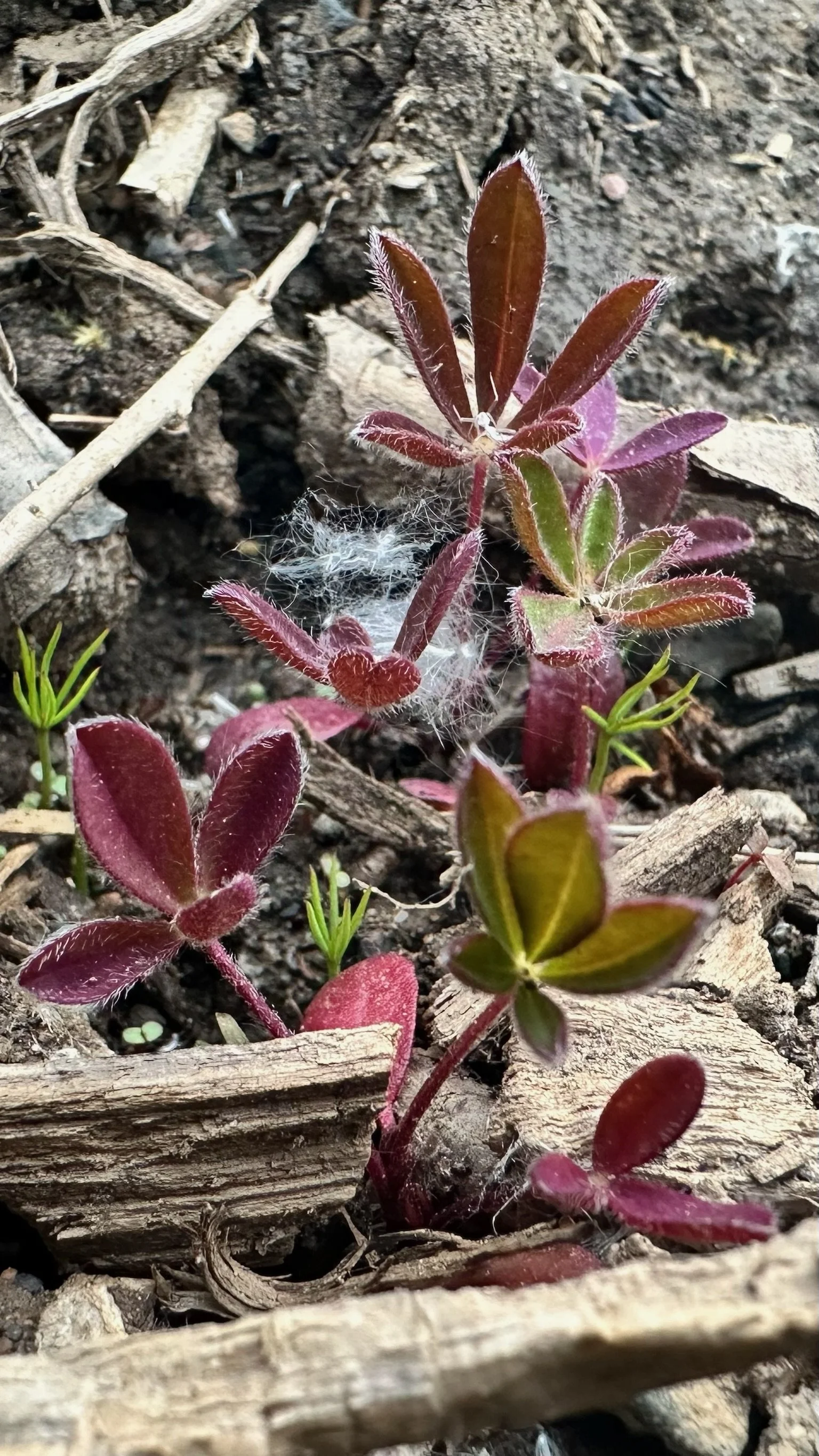
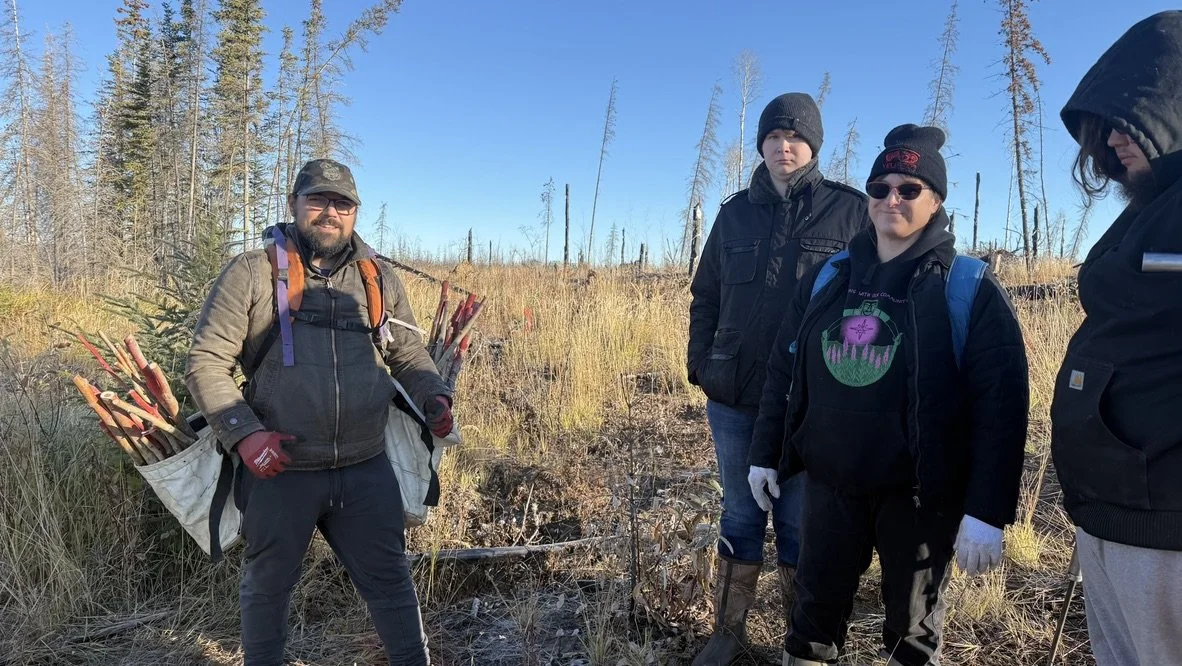
disseminating the seed vessels on the restoration site in relation to microsite characteristics (bare mineral soil, nurse objects, aspect, and biocrusts) and macrosite characteristics (wetlands and glaciofluvial landforms)
monitoring and long term land stewardship
1B. Values & Goals –
accelerating beyond natural regeneration for time sensitive community and biodiversity targets
securing carbon already in the soil, and rebuilding the soil’s capacity to support a healthy ecosystem
maintaining and rebuilding wildlife corridors and habitat
prioritizing Indigenous community land relationships
fortifying ecosystem resilience to the severity and frequency of future wildfire and other climate disturbance
2. COMMUNITY LED COLLABORATION / CAPACITY BUILDING / TRAINING
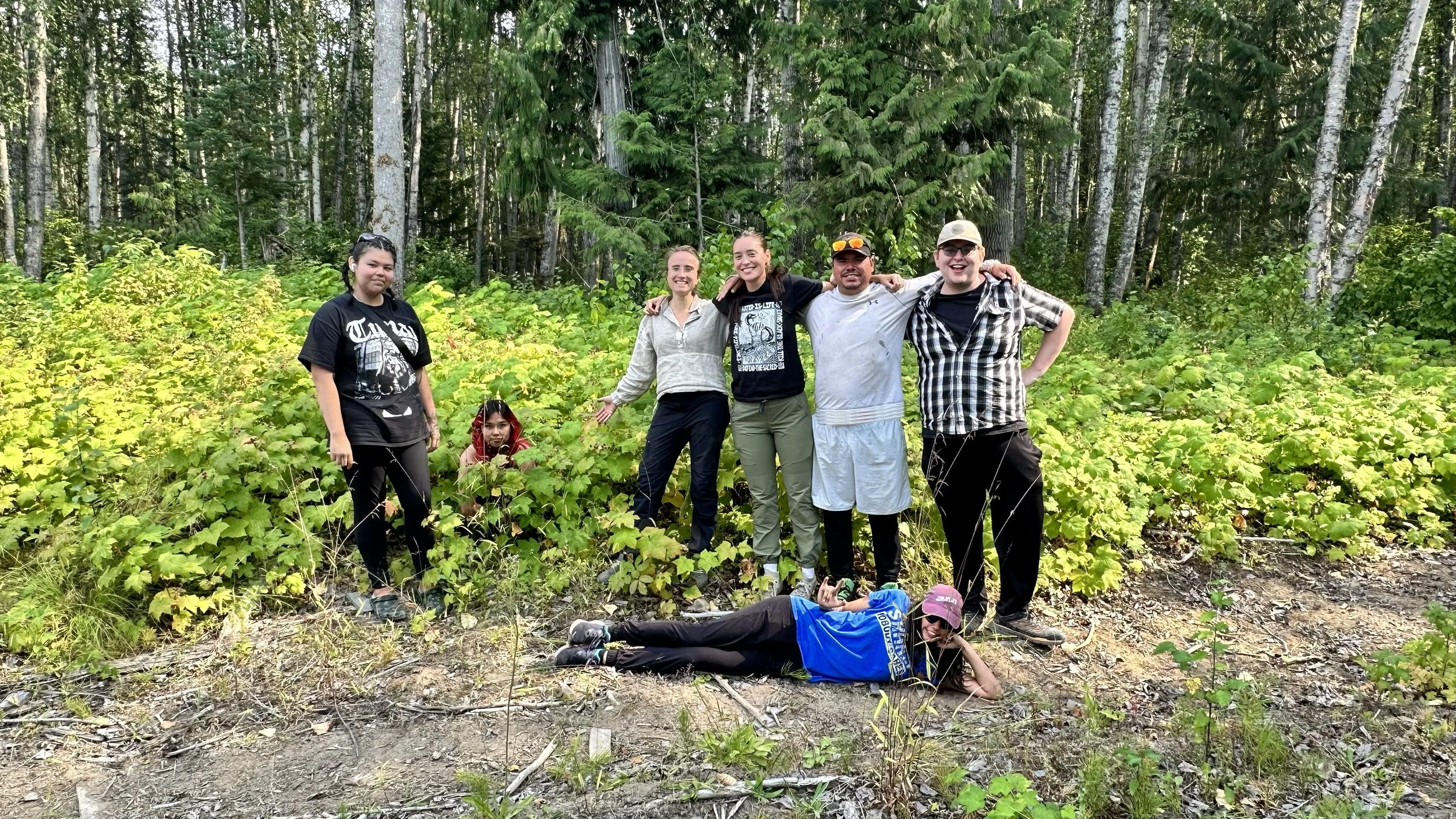
All of Seed the North’s landscape scale projects are led by the Indigenous communities whose ancestral territories are being restored. Within this framework, Seed the North:
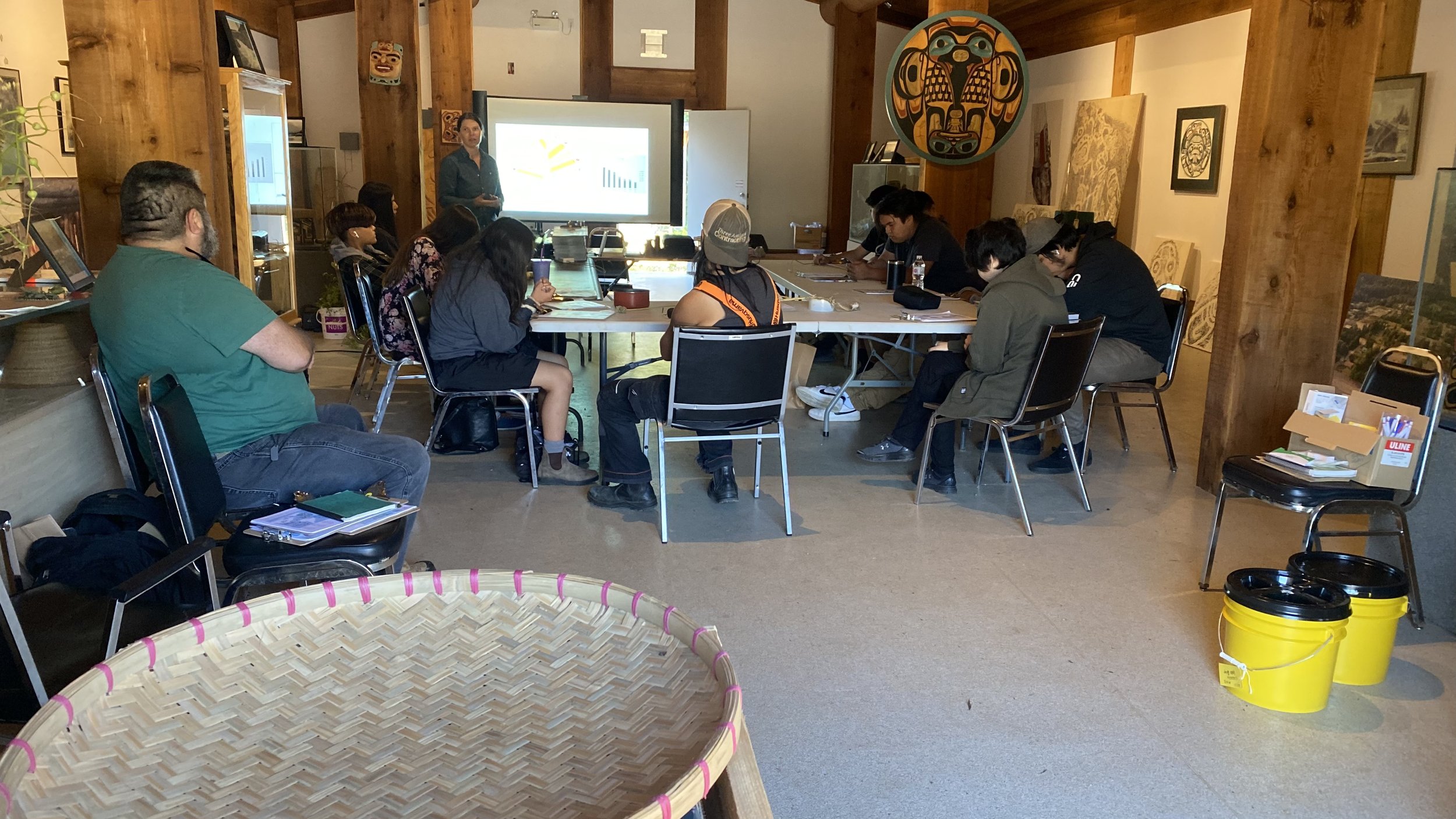
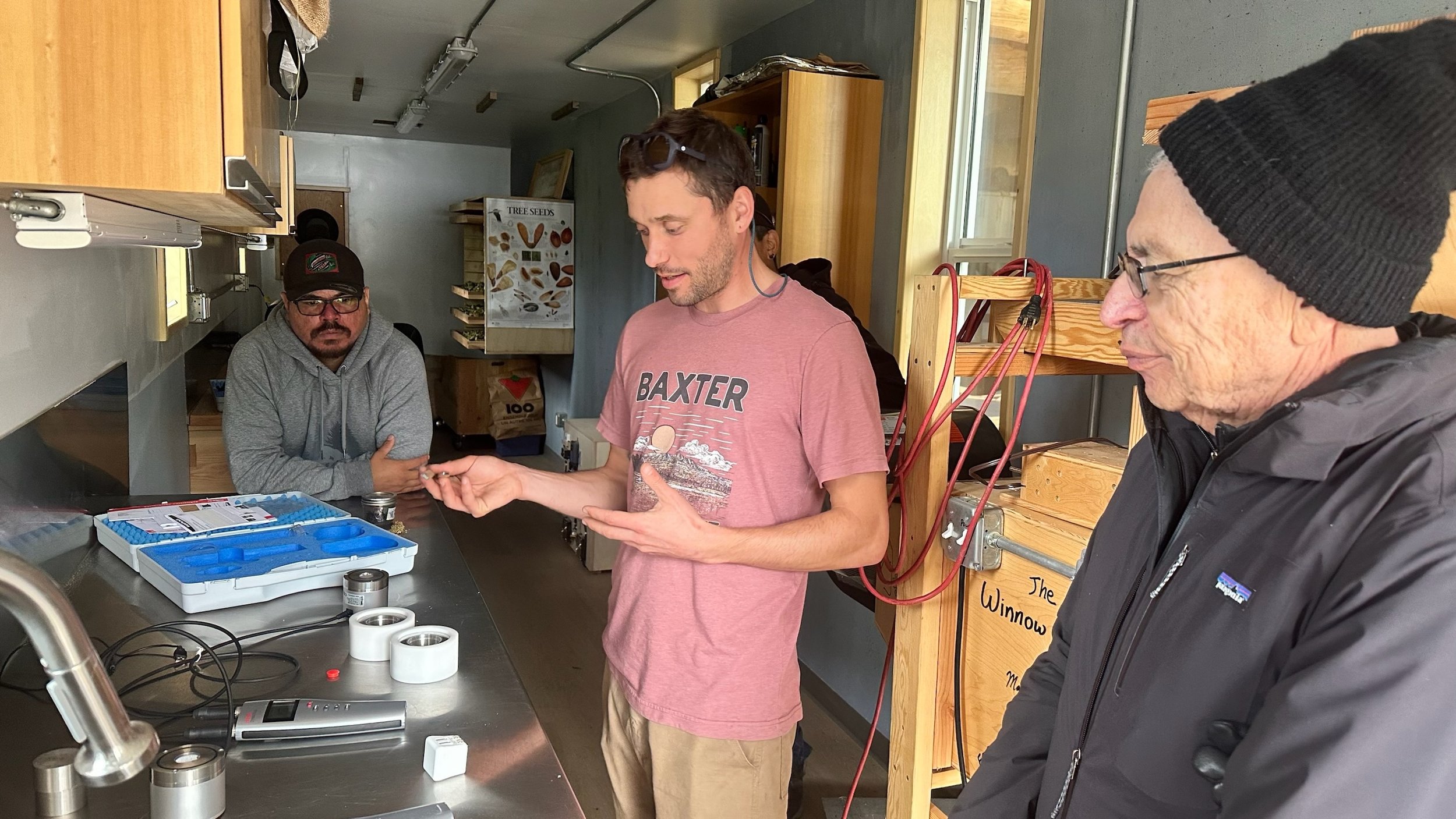
develops customized curricula
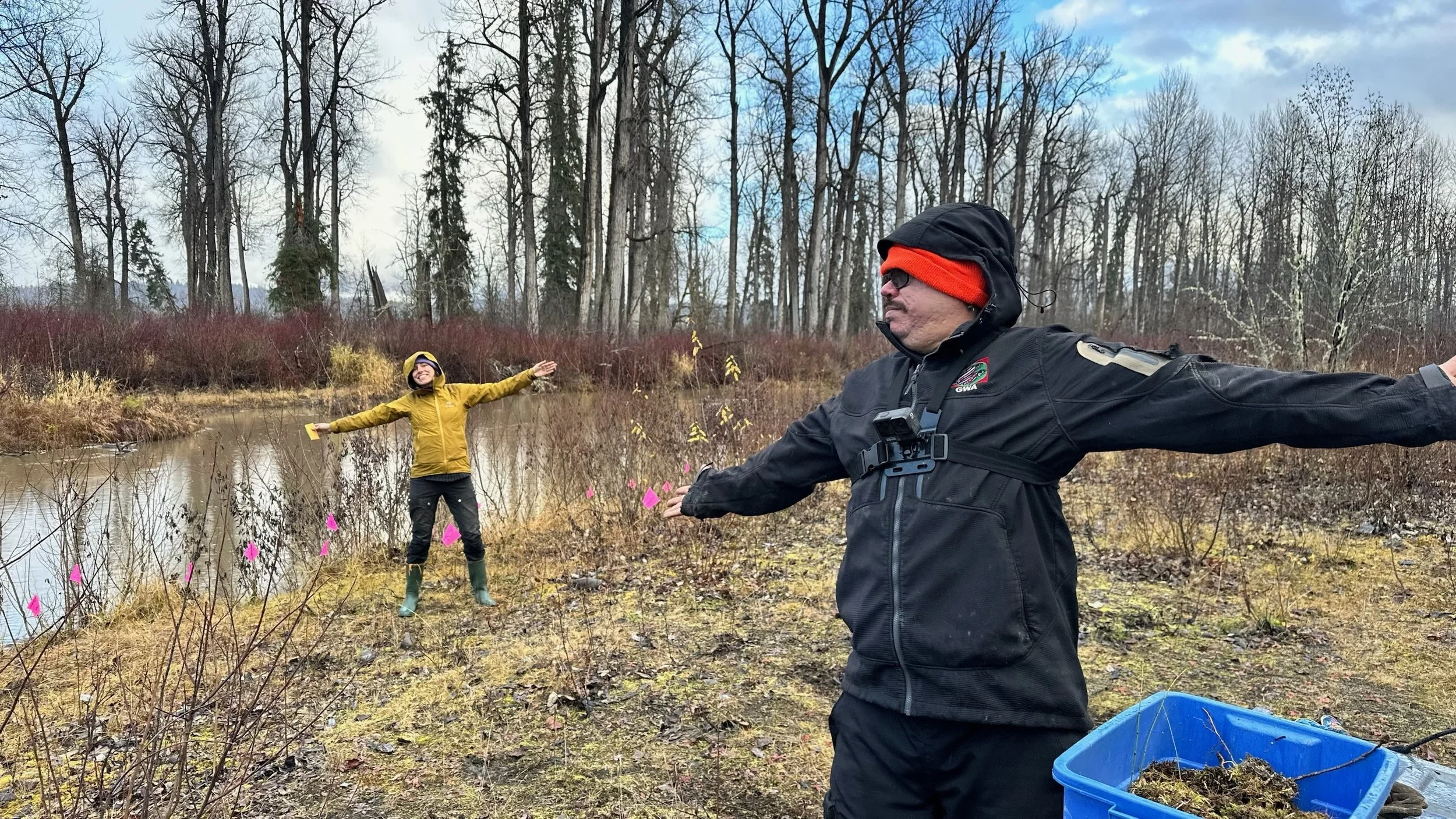
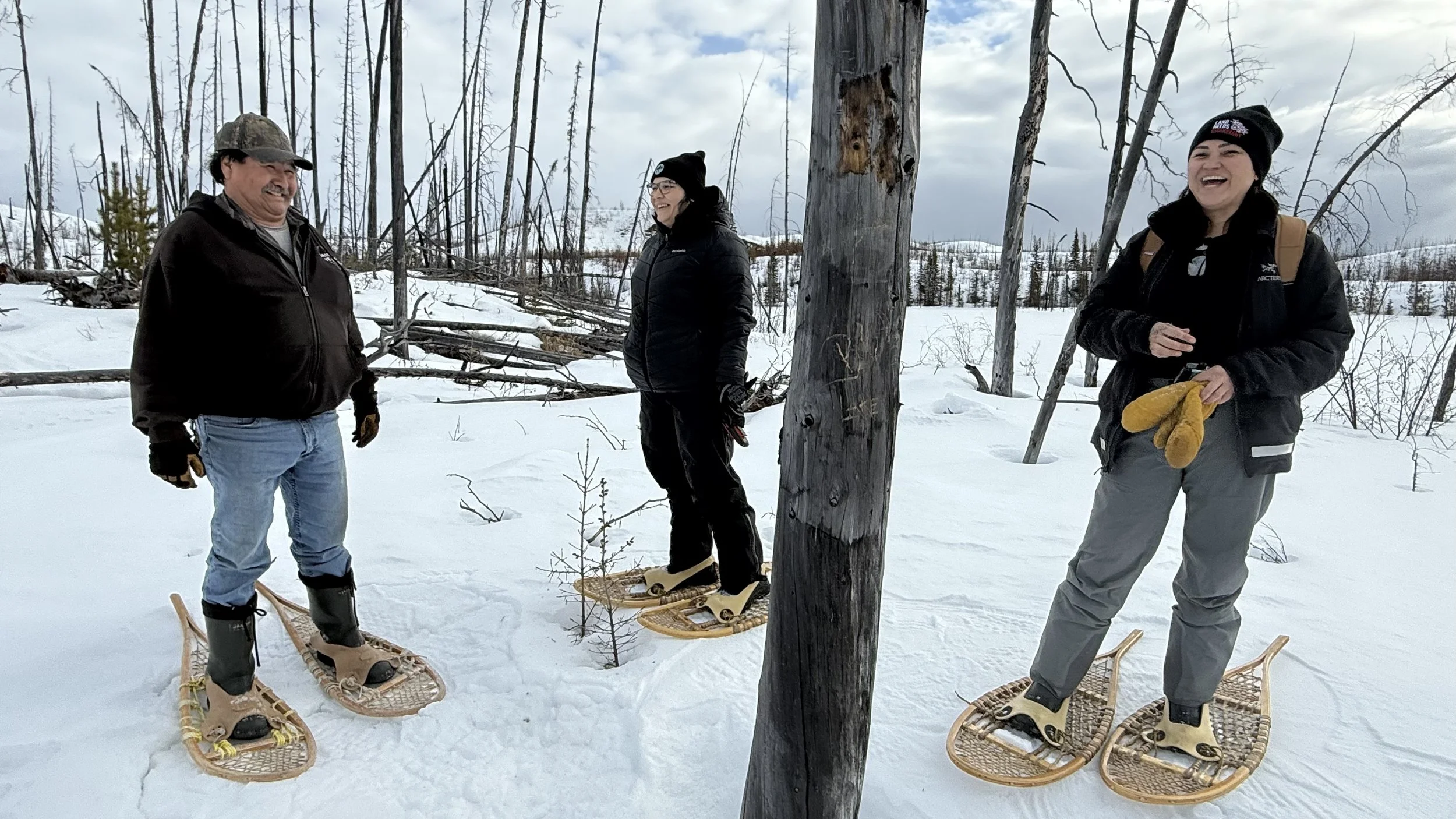
co-leads land-based workshops with Indigenous elders and local knowledge keepers
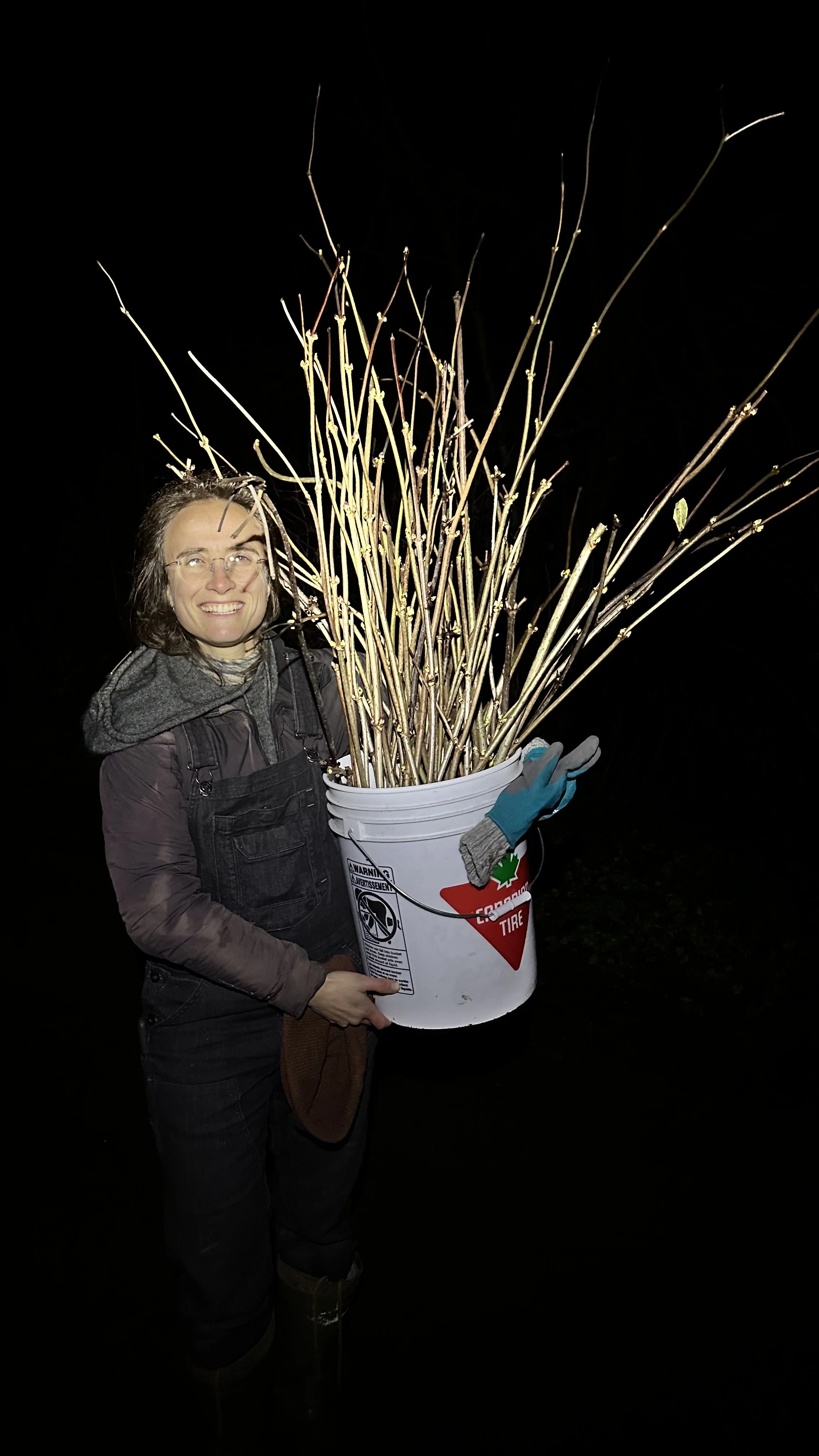
conducts training sessions for meaningful and well paying work in all aspects of section 1A above
Capacity building is fundamentally about projects that do not have an end date. These projects are designed to create livelihood streams for community members of multiple generations in land stewardship and monitoring to determine what more the land needs, and to collect data to continue to improve our methods and germination outcomes
3. Research
Since the beginning, Seed the North, University of Toronto forestry school, and BC Biocarbon, funded by the Natural Sciences and Engineering Research Council, have collaborated on our seed enhancement tech, bringing professors and graduate students from the lab into the field to conduct rigorously designed trials for the sake of high and reliable germination outcomes